GridPlus Lattice1 Review
GridPlus Lattice1 is a premium desk-based secure signing terminal for DeFi and smart-contract users, offering a large secure touchscreen, SafeCards, and isolated secure compute architecture, but it is expensive, proprietary, and not portable.
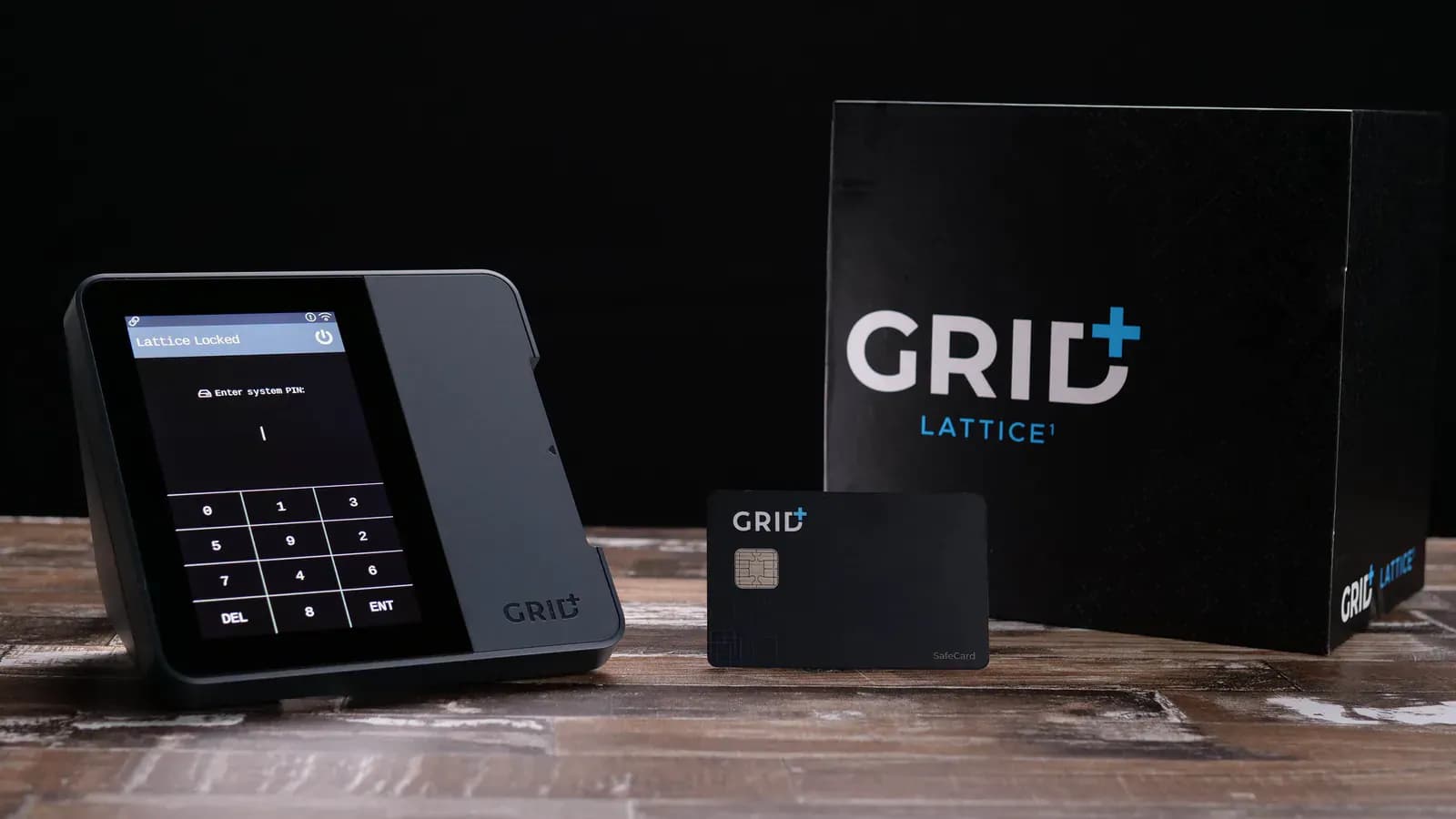
GridPlus Lattice1
Pros
- Strong fit for DeFi power Users
- Strong fit for Ethereum Users
- Strong fit for NFT Collectors
- Strong fit for Users Wanting Large Transaction display
Cons
- Not ideal for Mobile Users
- Not ideal for Budget Conscious Users
- Not ideal for Airgap Security Seekers
- Not ideal for Open source Advocates
Price
$397
Connectivity
Wi-Fi, Ethernet, SafeCard slot, Zigbee
Open Source
Closed source
Coins
10,000+
Key Specifications
Manufacturer
GridPlus
Country
United States
Launch Year
2021
Firmware Maintained
Yes
Secure Element
Yes
Air-gapped
No
Connection
Wi-Fi, Ethernet, SafeCard slot, Zigbee
Official App
GridPlus Lattice Manager
Security Model
Desk-based secure signing appliance with separate general and secure compute environments, an anti-tamper mesh, secure mailbox isolation, large 5-inch secure touchscreen, built-in secure enclave, PIN-protected SafeCards, and human-readable smart-contract signing.
Trust Assumptions
- Users trust GridPlus firmware and Lattice Manager/app integrations
- The secure compute environment remains isolated from the Linux general compute environment
- The anti-tamper mesh, secure mailbox, and secure enclave operate as documented
- Users verify smart-contract and transaction details on the 5-inch secure touchscreen before approval
- Users properly back up Lattice wallets to SafeCards or seed phrases
- WiFi/Ethernet connected general compute environment may be compromised without exposing private keys, as assumed by the security model
Backup Methods
24 Word Seed, SafeCard Backup, Multiple SafeCard Copies, PIN Protected SafeCard, Passphrase
- DeFi power Users
- Ethereum Users
- NFT Collectors
- Users Wanting Large Transaction display
- Multi Wallet Users
- Institutional or Desk Based signing
- Mobile Users
- Budget Conscious Users
- Airgap Security Seekers
- Open source Advocates
- Bitcoin only Minimalists
- Users Wanting Pocket Devices
Known Issues
2026: Secure appliance versus portable wallet tradeoff
Lattice1 is closer to a desk-based secure signing terminal than a pocket hardware wallet, which improves transaction readability but limits portability and mainstream appeal.
2026: Proprietary high-security architecture
GridPlus documents a sophisticated separated-compute architecture, but users must trust proprietary firmware and hardware implementation rather than independently reproducible open-source builds.
Sources
- GridPlus Lattice1 Official Product Page(official)
- Lattice1 Security Features(support)
- Lattice1 Introduction(support)
- Introduction to SafeCards(support)
- GridPlus SafeCard Pack(official)
Compare with other wallets
Related Wallet Reviews
Similar options worth comparing before you buy.
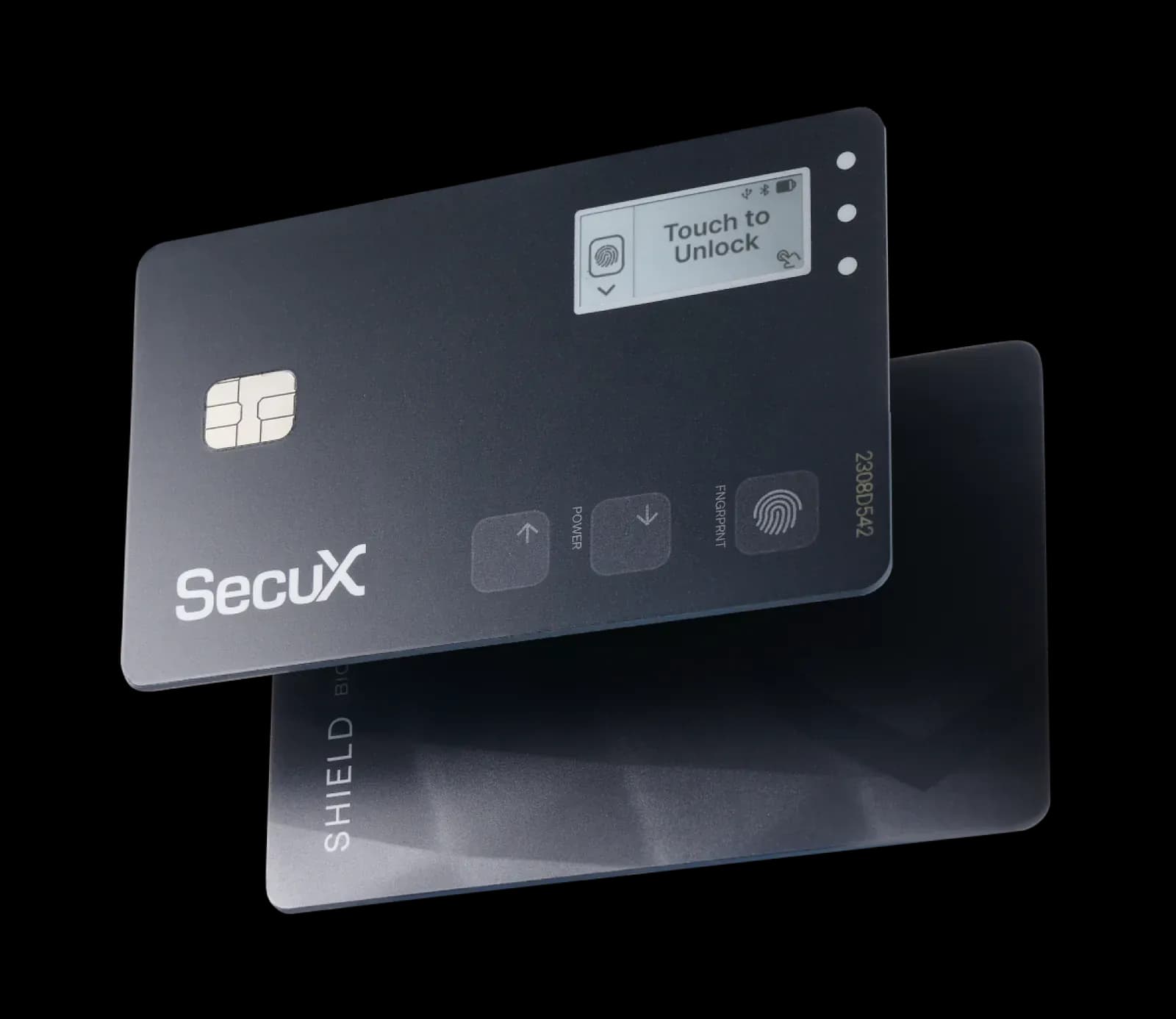
SecuX Shield BIO
Mobile UsersSecuX Shield BIO is a biometric card-style hardware wallet with an Infineon EAL5+ secure element, fingerprint unlock, Bluetooth, E-ink display, WalletConnect, and broad asset/NFT support, best for portable mobile use rather than open-source or air-gapped security models.
$149
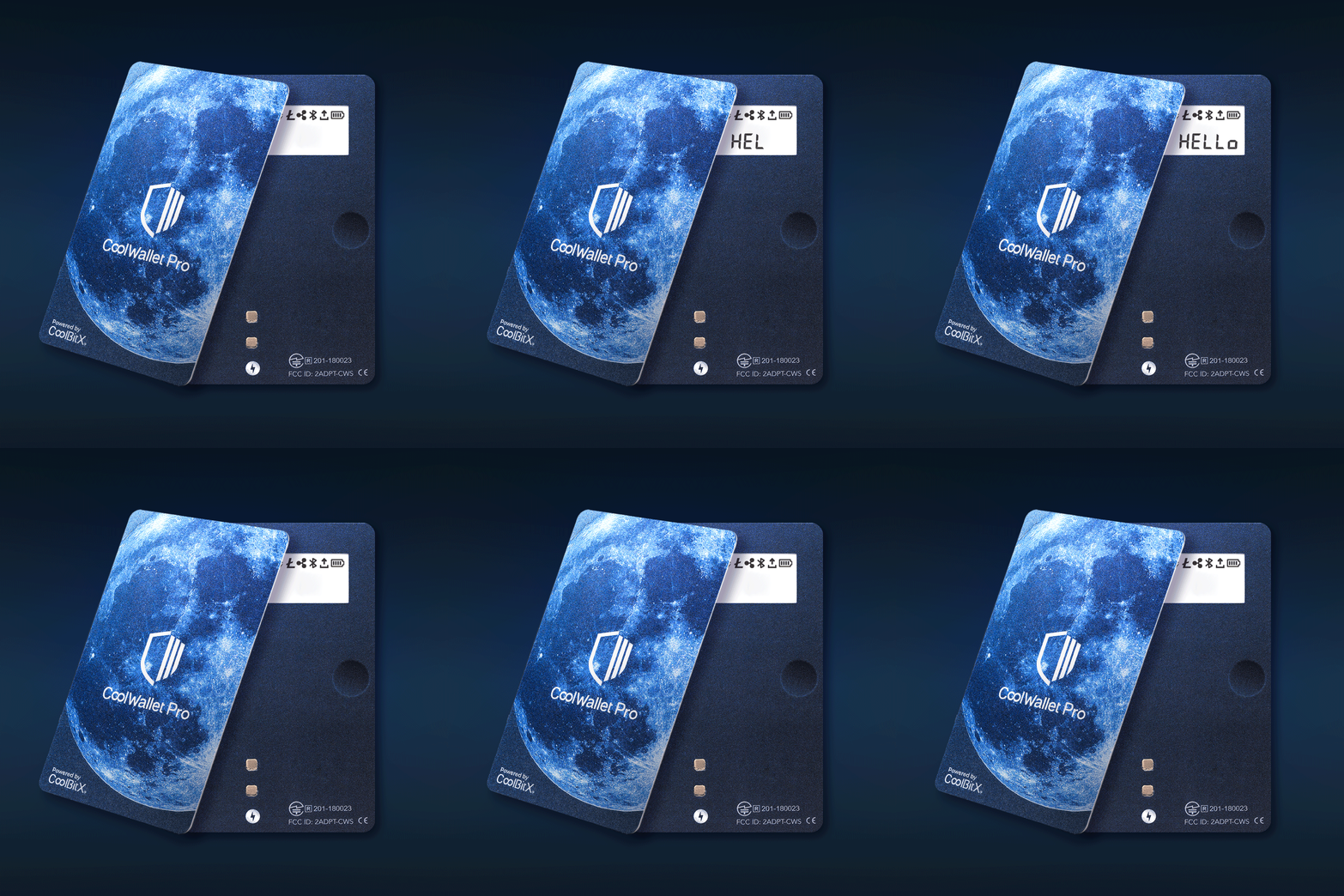
CoolWallet Pro
Mobile UsersCoolWallet Pro is a portable card-style hardware wallet with an EAL6+ secure element, encrypted Bluetooth, NFC, e-paper display, staking, DeFi, NFT, and broad multi-chain support, best for mobile users who prioritize convenience over open-source or air-gapped security.
$149
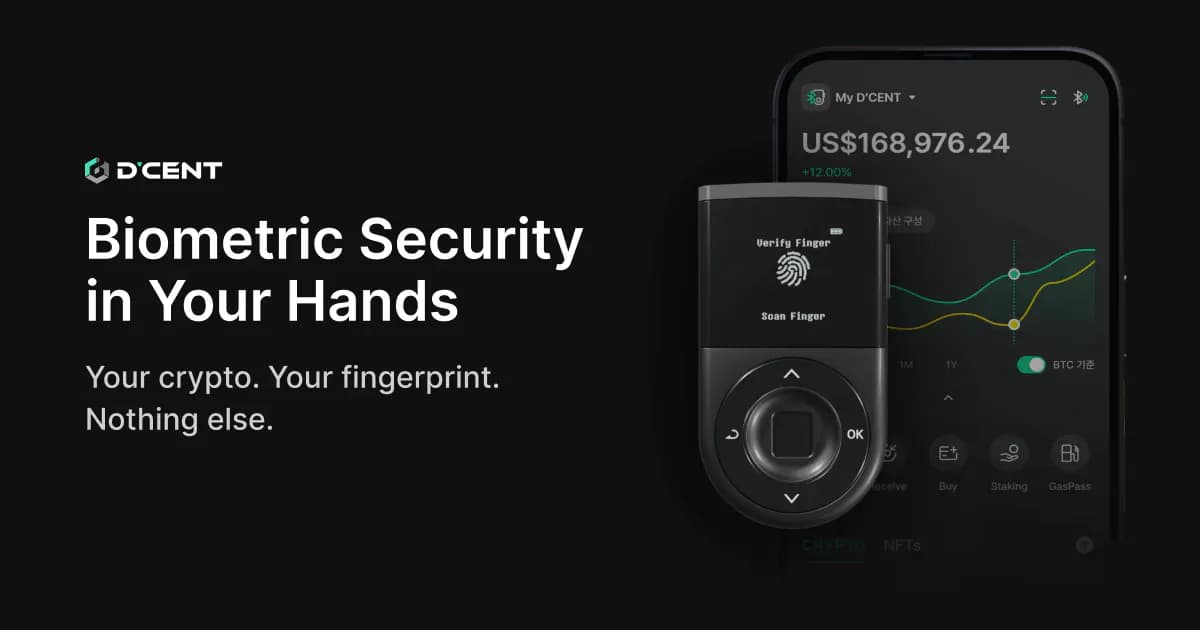
D'CENT Biometric Wallet
Mobile UsersD'CENT Biometric Wallet is a convenient fingerprint hardware wallet with an EAL5+ secure element, encrypted Bluetooth, USB-C, broad chain support, NFTs, WalletConnect, and app-based threat detection, best for mobile multi-asset users rather than open-source or air-gapped threat models.
$159
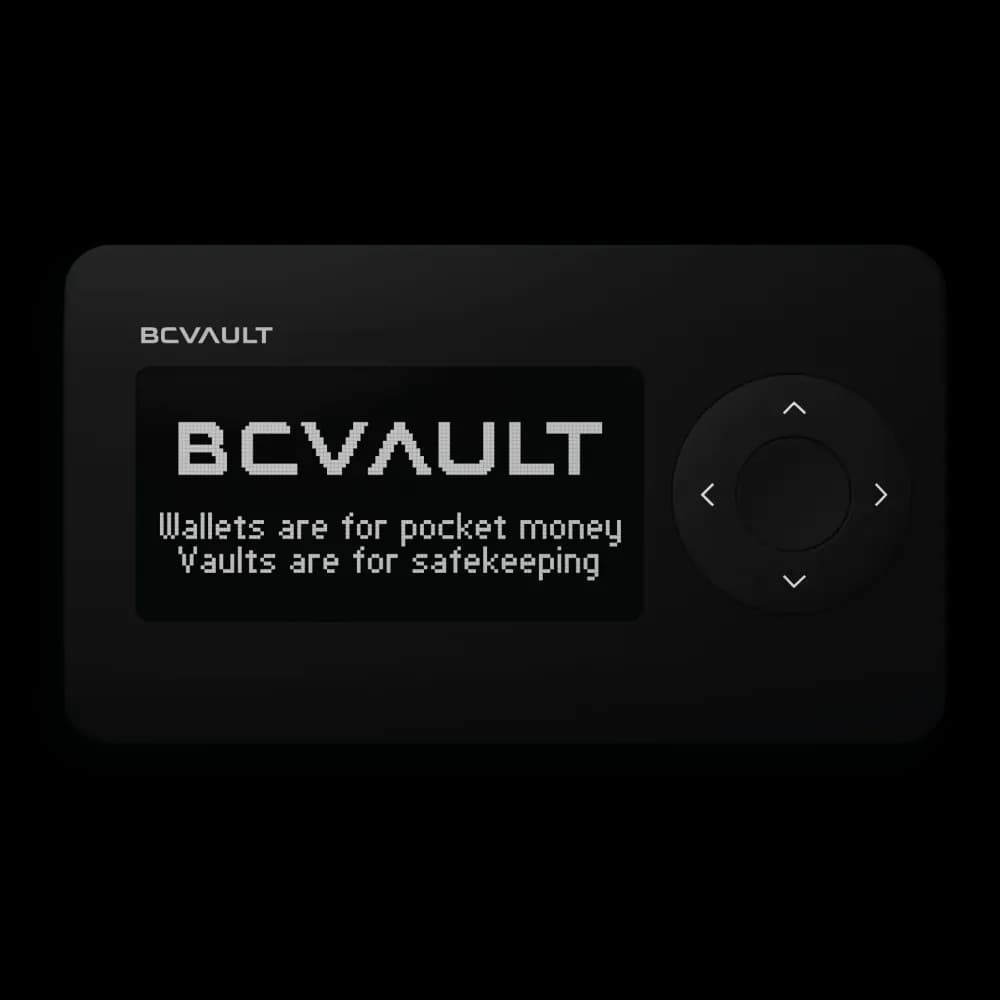
BC Vault
Desktop UsersBC Vault is a niche desktop-first hardware wallet with independent non-deterministic wallets, encrypted FeRAM storage, microSD/paper QR backups, and huge asset support, but it is closed-source, complex, and lacks mobile workflows.
$175