KeepKey Review
KeepKey is a low-cost, open-source hardware wallet with a large verification display, reproducible firmware, open hardware documentation, and desktop-first USB workflows, but it is older and lacks a secure element, air-gap signing, Bluetooth, NFC, and touchscreen features.
KeepKey
Pros
- Strong fit for Budget Conscious Users
- Strong fit for Open source Advocates
- Strong fit for Desktop Users
- Strong fit for Users Wanting Large Transaction display
Cons
- Not ideal for Mobile First Users
- Not ideal for Airgap Security Seekers
- Not ideal for Users Wanting Secure Element Protection
- Not ideal for Users Wanting Bluetooth or NFC
Price
$49.95
Connectivity
USB
Open Source
Fully open source
Coins
400+
Key Specifications
Manufacturer
KeepKey
Country
United States
Launch Year
2015
Firmware Maintained
Yes
Secure Element
No
Air-gapped
No
Connection
USB
Official App
KeepKey Desktop
Security Model
Open hardware and open firmware with deterministic builds, a large transaction-verification display, PIN/passphrase controls, and physically confirmed USB signing rather than a secure-element or wireless architecture.
Trust Assumptions
- Users verify firmware authenticity and update sources
- KeepKey firmware signing and release infrastructure remain trustworthy
- The general-purpose microcontroller and physical-access protections are sufficient for the user's threat model
- Users verify transaction details on the device display before approval
- Users protect the recovery seed and optional passphrase from physical disclosure
Backup Methods
12 Word Seed, 24 Word Seed, Passphrase, Hidden Wallet
- Budget Conscious Users
- Open source Advocates
- Desktop Users
- Users Wanting Large Transaction display
- Thorchain Swap Users
- Mobile First Users
- Airgap Security Seekers
- Users Wanting Secure Element Protection
- Users Wanting Bluetooth or NFC
- Users Wanting Modern Touchscreen Ux
Known Issues
2017: ShapeShift acquisition changed product direction
ShapeShift acquired KeepKey in 2017, tying the device more closely to ShapeShift's wallet and swap ecosystem while KeepKey continued as a self-custody hardware wallet.
2026: Open microcontroller security tradeoff
KeepKey emphasizes open hardware and reproducible firmware, but does not use a secure element, so users with strong physical-attack concerns may prefer newer secure-element devices.
Sources
- KeepKey Official Website(official)
- KeepKey Supported Assets and Price(official)
- KeepKey Firmware and Open Hardware(official)
- KeepKey Desktop(official)
- Verifying KeepKey Firmware(support)
- ShapeShift Supports KeepKey(official)
- KeepKey Firmware Repository(GitHub)
Related Wallet Reviews
Similar options worth comparing before you buy.
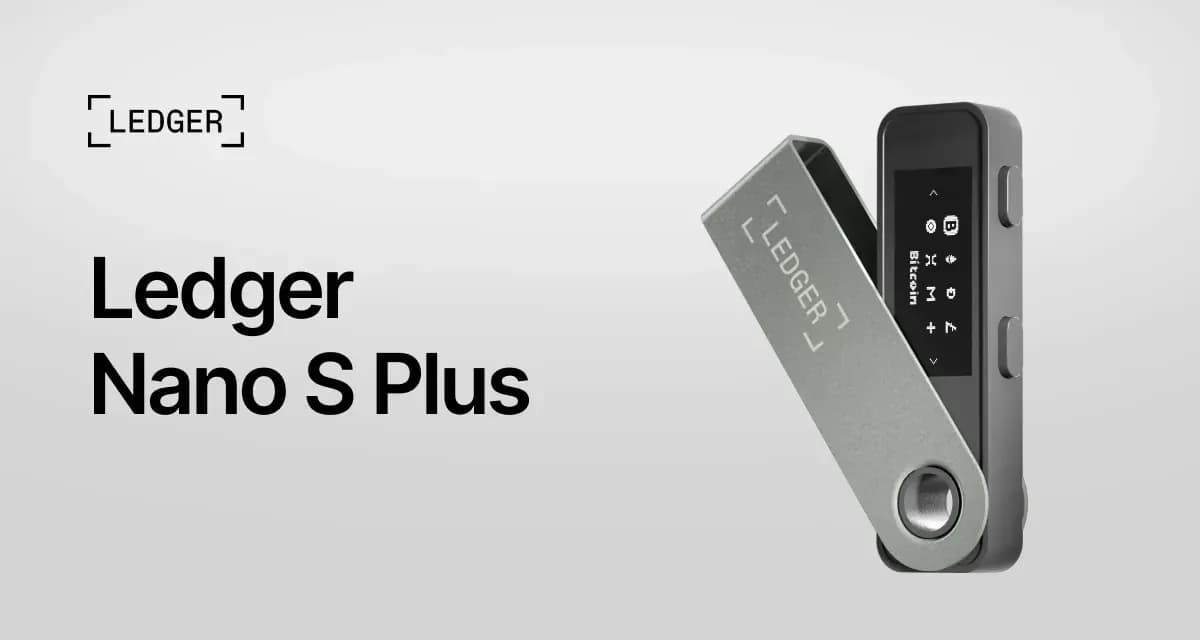
Ledger Nano S Plus
Budget Conscious UsersA strong entry-level Ledger signer for desktop and Android users who want broad asset support, USB-C, no battery, and secure-element protection, but it requires trust in Ledger's proprietary firmware and is not suitable for iOS mobile signing.
$79
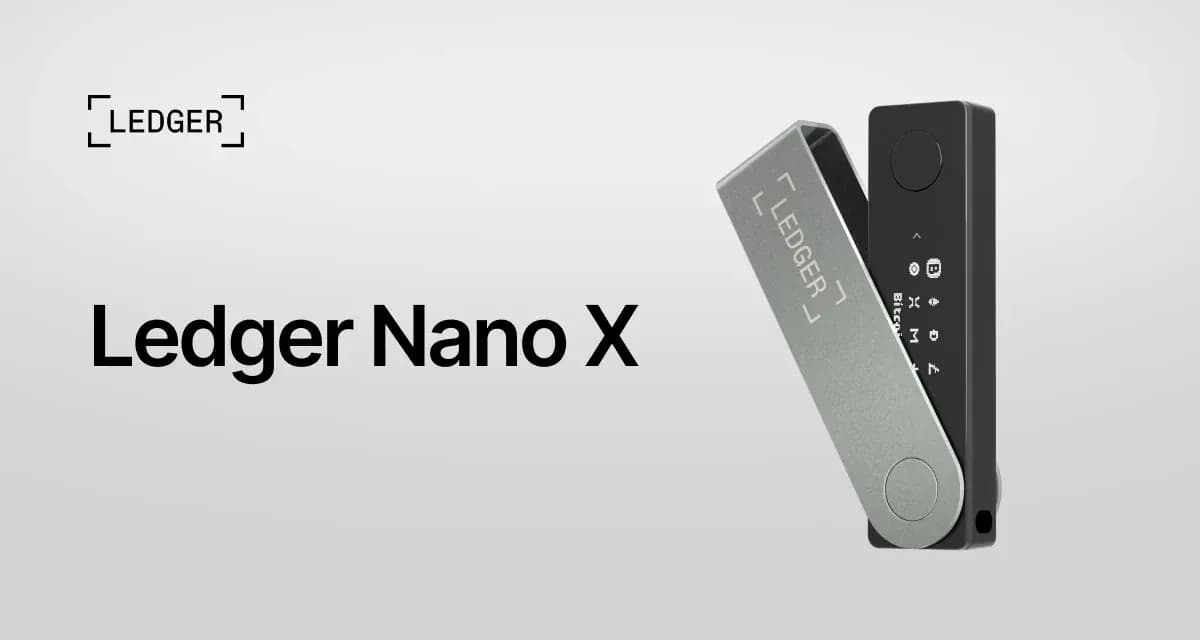
Ledger Nano X
Mobile UsersLedger Nano X is the mobile-focused Ledger signer for users who want iOS and Android Bluetooth signing, broad asset support, and secure-element protection, but it costs more than Nano S Plus and requires comfort with proprietary firmware and wireless connectivity.
$149
Discount applied via our official partner link at checkout.
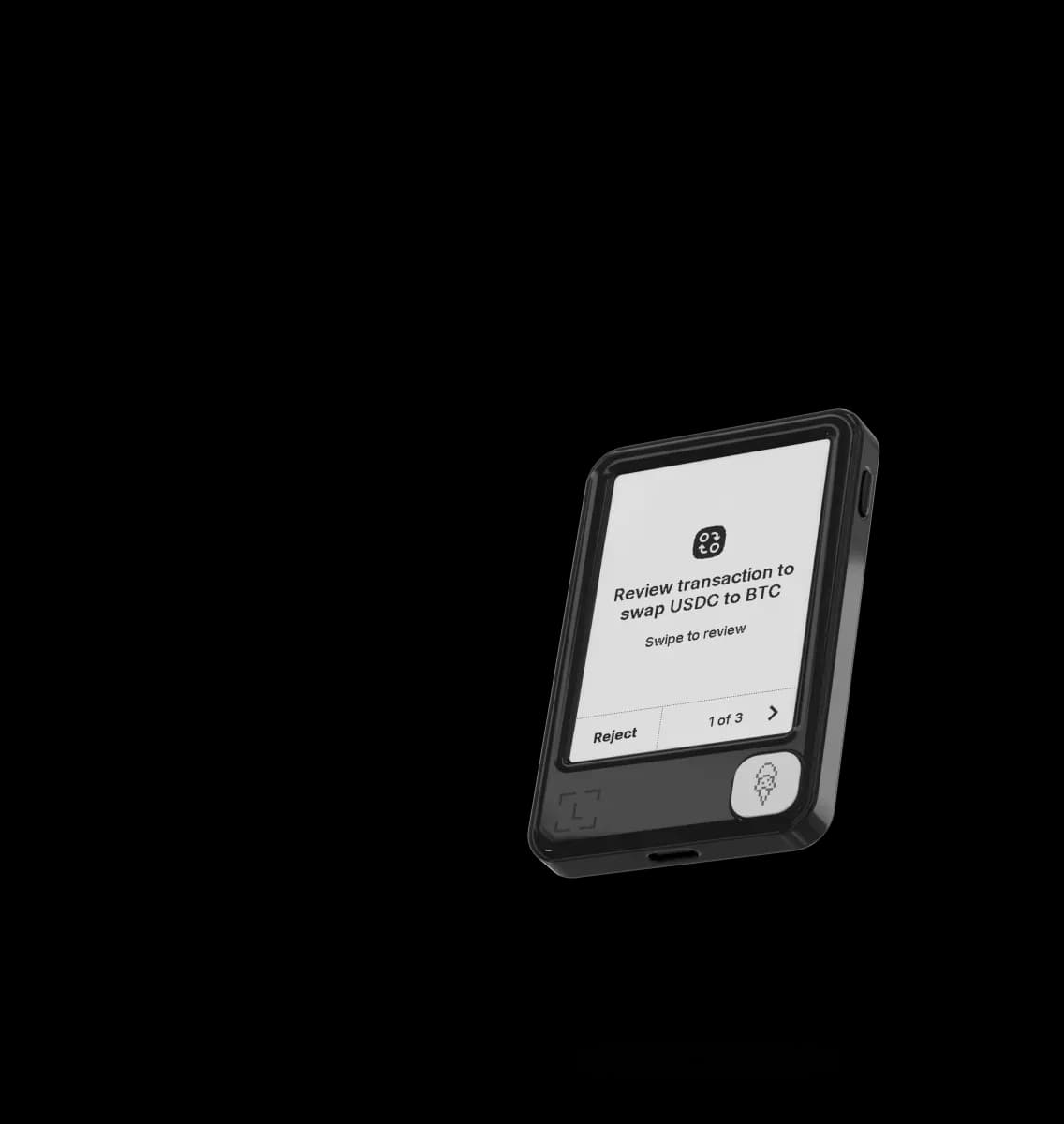
Ledger Nano Gen5
Beginners Wanting TouchscreenLedger Nano Gen5 is Ledger's entry touchscreen signer for users who want Clear Signing, mobile connectivity, and an included Ledger Recovery Key at a lower price than Flex, but it still requires trust in Ledger's proprietary firmware and wireless stack.
$179
Discount applied via our official partner link at checkout.
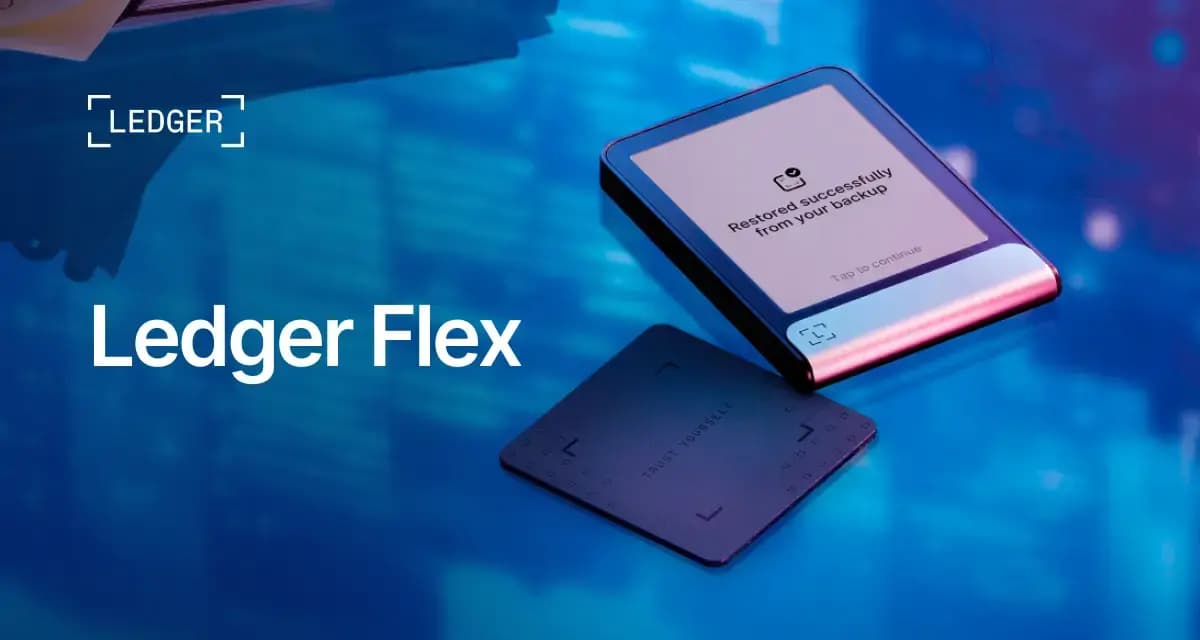
Ledger Flex
Mobile UsersLedger Flex is a premium touchscreen Ledger signer for users who want clearer transaction review, iOS and Android connectivity, NFC recovery-key support, and broad Ledger ecosystem features, but it is expensive and still depends on Ledger's proprietary firmware trust model.
$249
Discount applied via our official partner link at checkout.