Satochip Review
Satochip is a very affordable open-source NFC smartcard hardware wallet with an EAL6+ secure element and flexible client support, best for technical users who accept no on-card display and a smaller ecosystem.
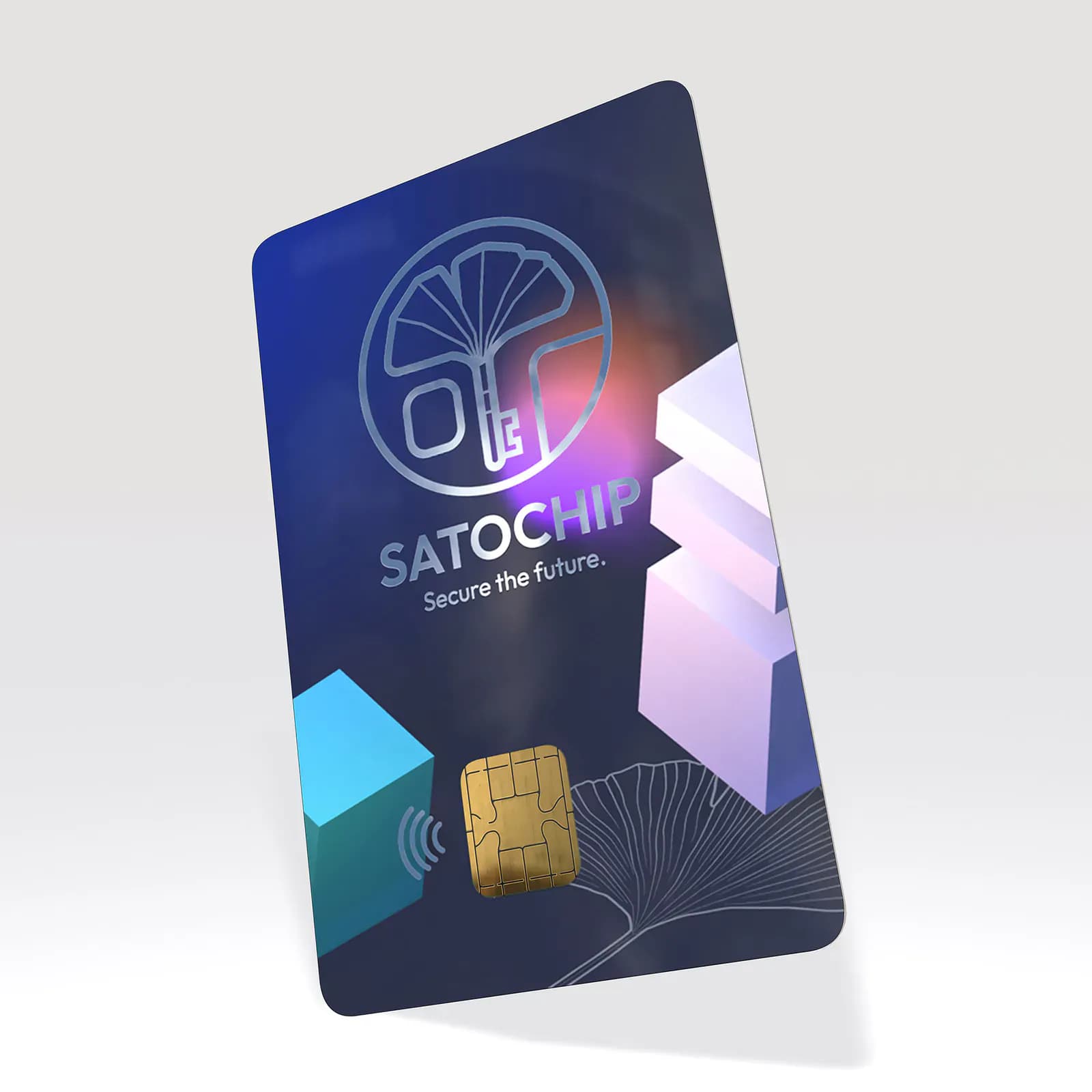
Satochip
Pros
- Strong fit for Budget Conscious Users
- Strong fit for Open source Advocates
- Strong fit for Technical Users
- Strong fit for Smartcard Wallet Users
Cons
- Not ideal for Beginners Wanting Polished Mainstream Ux
- Not ideal for Users Wanting on Device display Verification
- Not ideal for Airgap Security Seekers
- Not ideal for Users Wanting Bluetooth or USB Direct Wallets
Price
$27
Connectivity
NFC, Smart card reader
Open Source
Fully open source
Coins
1,000+
Key Specifications
Manufacturer
Satochip S.R.L.
Country
Belgium
Launch Year
2020
Firmware Maintained
Yes
Secure Element
Yes
Air-gapped
No
Connection
NFC, Smart card reader
Official App
Satochip App
Security Model
Open-source NFC smartcard hardware wallet using an EAL6+ certified secure element, BIP32/BIP39 key management, PIN protection, optional 2FA transaction validation, and flexible software-client compatibility rather than a vendor-locked app stack.
Trust Assumptions
- Users verify Satochip firmware/app sources or trust official distribution
- The EAL6+ secure element protects private keys as documented
- NFC or smart-card-reader communication remains correctly implemented and authenticated
- Users verify transaction details in the connected software client because the card has no built-in display
- Users protect their recovery phrase, PIN, and optional 2FA device
- Third-party wallet integrations remain available and trustworthy
Backup Methods
12 Word Seed, 24 Word Seed, PIN, Optional 2fa, Seedkeeper Companion Backup
- Budget Conscious Users
- Open source Advocates
- Technical Users
- Smartcard Wallet Users
- Multi Asset Holders
- Users Wanting low Vendor Lock in
- Beginners Wanting Polished Mainstream Ux
- Users Wanting on Device display Verification
- Airgap Security Seekers
- Users Wanting Bluetooth or USB Direct Wallets
- Users Wanting Large Vendor Ecosystems
Known Issues
2026: No-display smartcard tradeoff
Satochip's card form factor keeps cost and complexity low, but users cannot independently verify transaction details on the card itself and must trust the connected wallet display.
Sources
- Satochip Official Product Page(official)
- Satochip Official Website(official)
- Satochip Shop(official)
- Satochip OPSEC Edition(official)
- Satochip GitHub Projects(developer)
- Satochip Quick Start(support)
Related Wallet Reviews
Similar options worth comparing before you buy.
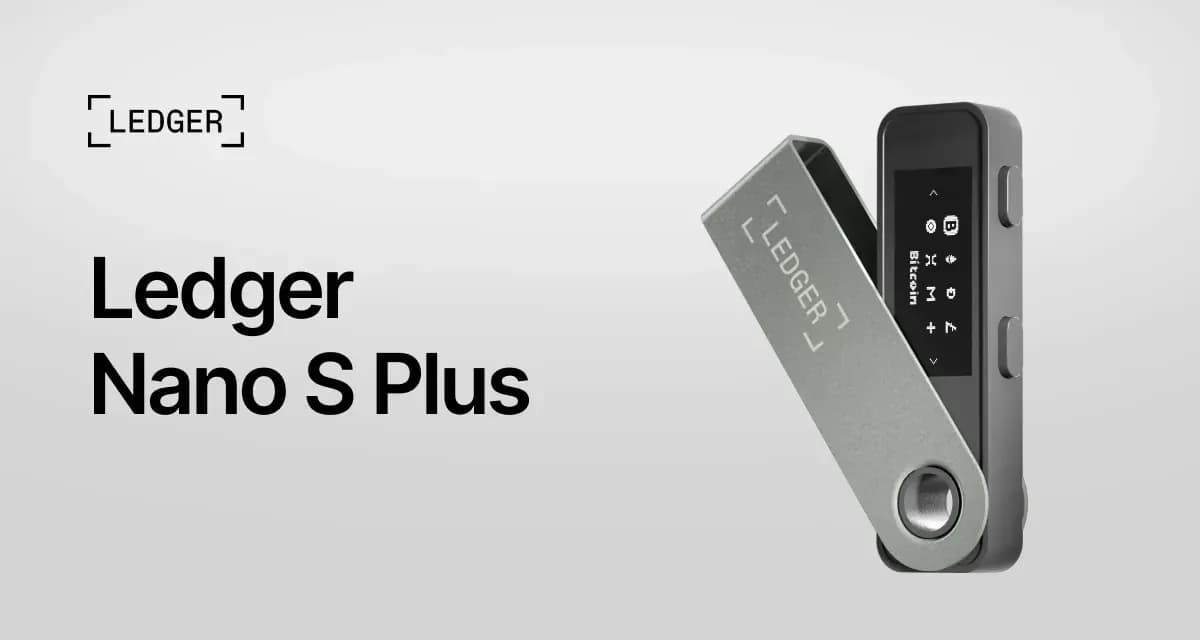
Ledger Nano S Plus
Budget Conscious UsersA strong entry-level Ledger signer for desktop and Android users who want broad asset support, USB-C, no battery, and secure-element protection, but it requires trust in Ledger's proprietary firmware and is not suitable for iOS mobile signing.
$79
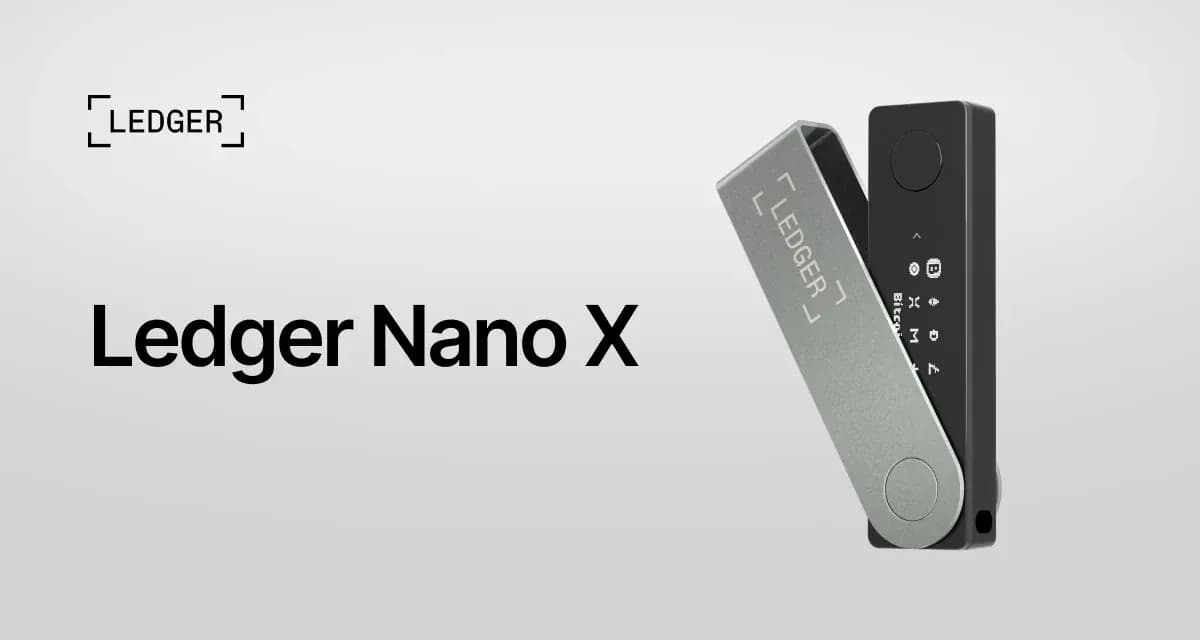
Ledger Nano X
Mobile UsersLedger Nano X is the mobile-focused Ledger signer for users who want iOS and Android Bluetooth signing, broad asset support, and secure-element protection, but it costs more than Nano S Plus and requires comfort with proprietary firmware and wireless connectivity.
$149
Discount applied via our official partner link at checkout.
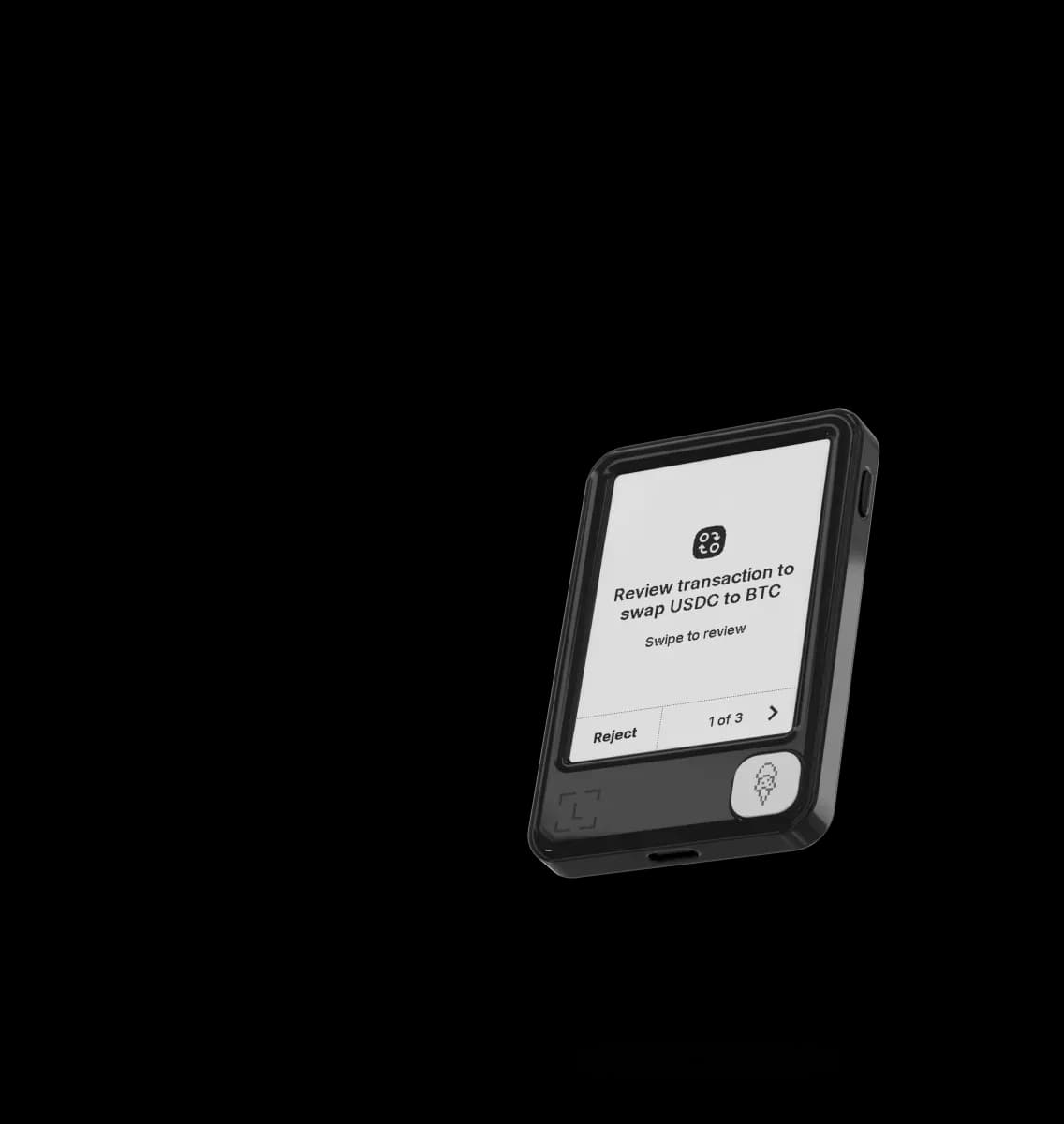
Ledger Nano Gen5
Beginners Wanting TouchscreenLedger Nano Gen5 is Ledger's entry touchscreen signer for users who want Clear Signing, mobile connectivity, and an included Ledger Recovery Key at a lower price than Flex, but it still requires trust in Ledger's proprietary firmware and wireless stack.
$179
Discount applied via our official partner link at checkout.
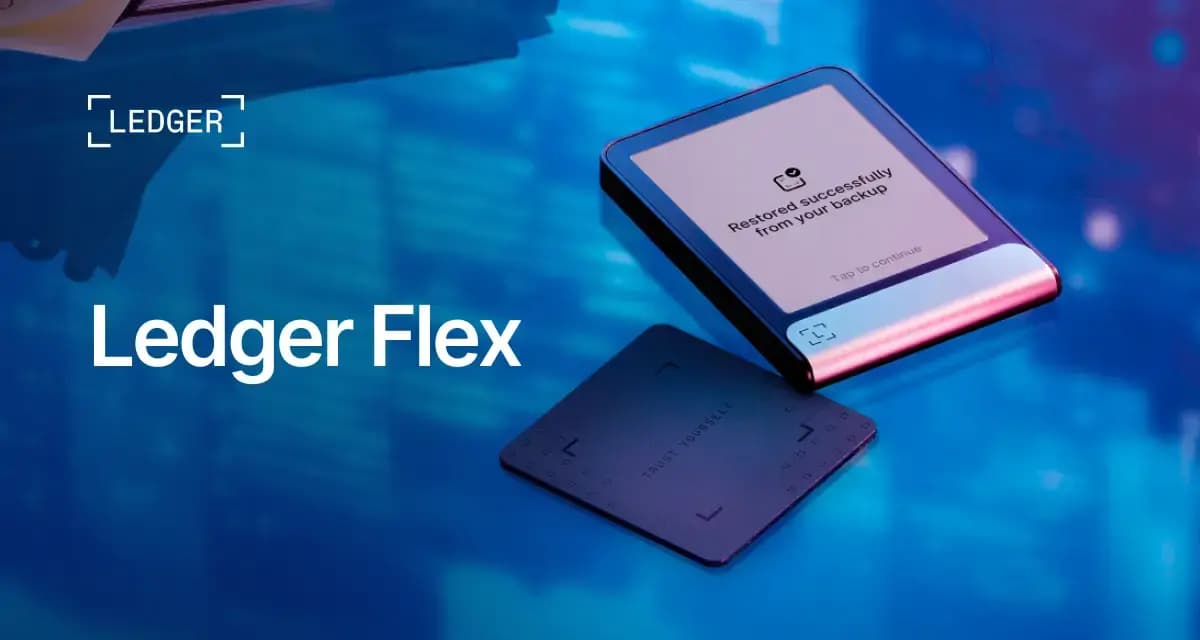
Ledger Flex
Mobile UsersLedger Flex is a premium touchscreen Ledger signer for users who want clearer transaction review, iOS and Android connectivity, NFC recovery-key support, and broad Ledger ecosystem features, but it is expensive and still depends on Ledger's proprietary firmware trust model.
$249
Discount applied via our official partner link at checkout.