Binance Web3 Wallet
Binance ecosystem self-custody Web3 wallet, distinct from custodial Binance exchange accounts
We reviewed Binance Web3 Wallet using 3 official and public sources. The notes below focus on custody, recovery, and security trade-offs.
Binance Web3 Wallet is a distinct MPC/key-share self-custody product, but its exchange-brand context and backup-service dependencies make clear custody education essential.

- Binance ecosystem users who want a separate Web3 self-custody wallet
- users who can protect an MPC recovery password and distinguish wallet from exchange custody
Key specifications
- Brand
- Binance
- Role
- Consumer Wallet
- Custody
- Self Custody
- Platforms
- iOSAndroidWebBrowser Extension
- Networks
- multi-chain
- Pricing
- Free
Free to download and use
The MPC/key-share model is distinct from seed-based software wallets and from custodial Binance exchange recovery.
- Key setup
- Mpc TssGenerated KeysImported KeysSmart Contract
- Backup options
- encrypted key-share cloud backupQR-code key-share backuprecovery passwordlegacy wallet migration/upgrade flow
MPC/key-share self-custody within a large exchange ecosystem; recovery password, cloud/QR backups, provider, DApp, regional, and exchange-brand confusion risks are material.
- Encrypts keys locally
- Yes
- Privacy note
- Web3 wallet privacy must be distinguished from Binance exchange-account data and reviewed per surface.
Third-party providers can affect uptime, privacy, and recovery. They are documented here for context, not as ranking points.
- Binance Web3 Wallet key-share and service infrastructure (Other; KYC: Provider Dependent)
- Chain and DApp service providers (Other; KYC: Provider Dependent)
- Affiliate
- No affiliate relationship recorded
Sources we checked
3 sources reviewed, with 4 documented claims tied to specific fields.
- Upgrade Binance Web3 Wallet to self custody
Binance defines self-custody as user control of assets and private keys and documents a distinct Web3 Wallet upgrade path.
- Binance Web3 Wallet self-hosted wallet
Binance describes three key shards and a user-known recovery password as the self-custody key-share model.
- Upgrade Binance Web3 Wallet to self custody
Binance documents encrypted key-share backup through cloud or QR code and warns that a lost recovery password cannot be restored.
- Binance browser wallet extension audit
An official SlowMist audit exists for the Binance Wallet browser extension; scope and date are recorded for later review.
More in this category
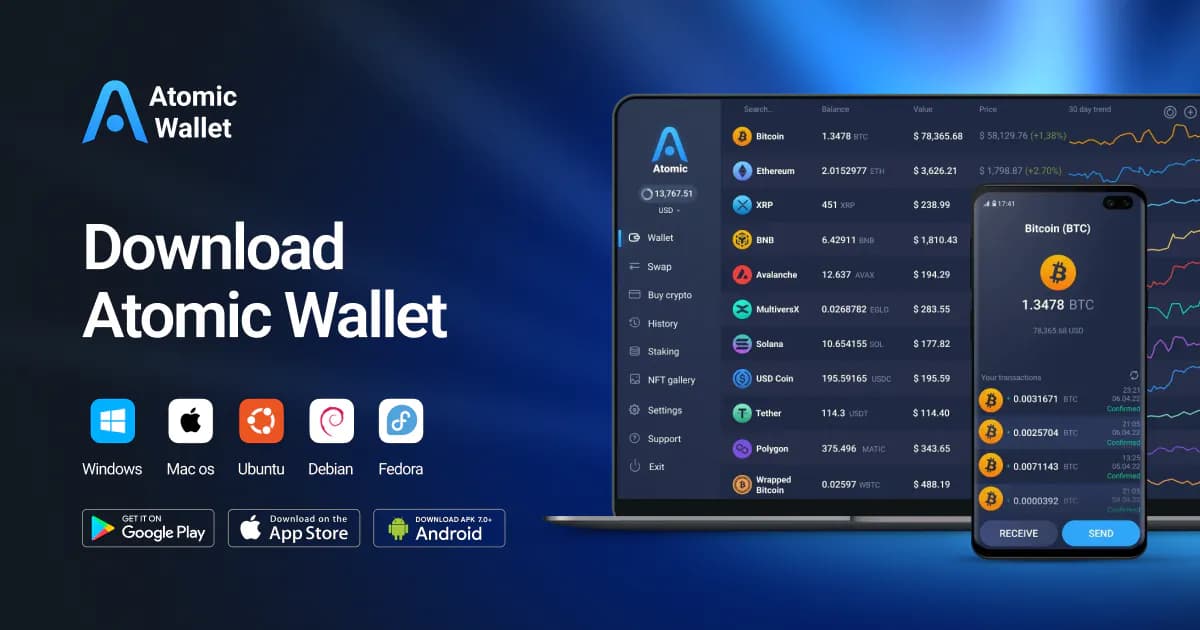
Atomic Wallet Desktop
desktop multi-asset users who can independently protect a 12-word backupAtomic offers broad desktop multi-asset coverage and explicit self-custody language, but current platform/incident uncertainty and third-party service dependence warrant a higher-risk editorial posture pending deeper review.
Custody: Self Custody
Platforms: Windows, Macos, Linux
Role: Consumer Wallet
Free
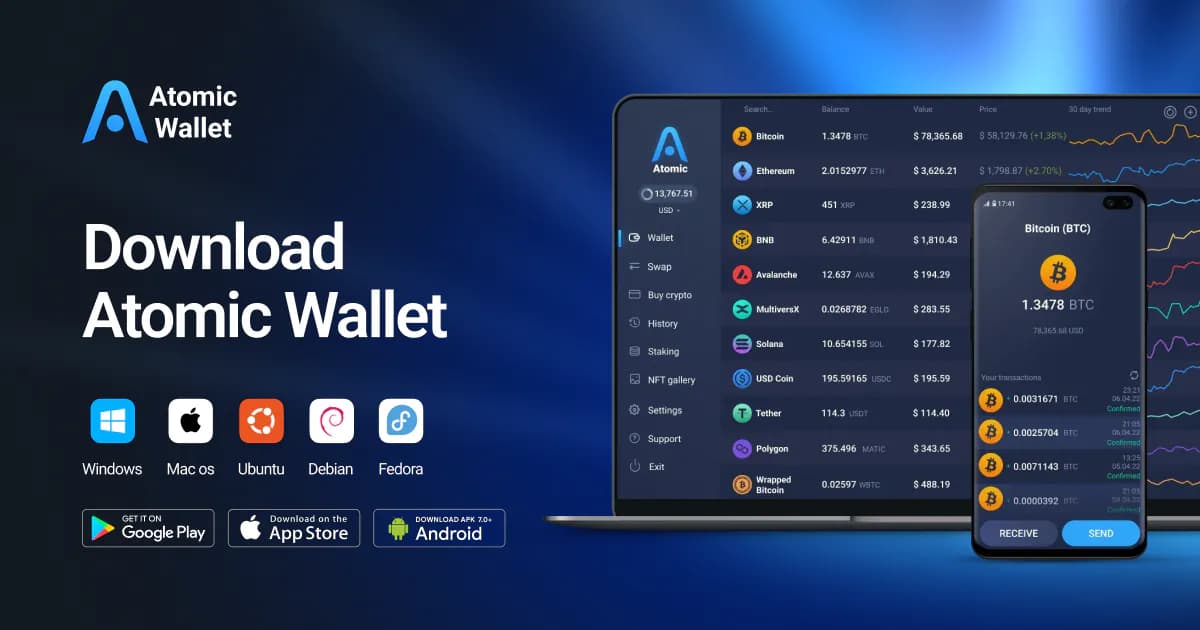
Atomic Wallet Mobile
Android multi-asset users who can independently protect a 12-word backupThe mobile product has the same basic self-custody phrase model as Atomic Desktop but a materially different availability profile, so it remains a limited, higher-risk surface pending further research.
Custody: Self Custody
Platforms: Android, iOS
Role: Consumer Wallet
Free
Backpack Wallet
users seeking a Solana/Ethereum wallet with mobile and browser surfacesBackpack’s official distribution and product terms support a separate wallet record, but the reviewed sources leave key-management, recovery, provider, and source-availability claims unresolved.
Custody: Self Custody
Platforms: iOS, Android, Browser Extension
Role: Consumer Wallet
Free