Best Desktop Software Wallets
Desktop wallets run on Windows, macOS, or Linux for users who want more control on a computer. We compare 20 desktop wallets below on custody, recovery, and local device risk.
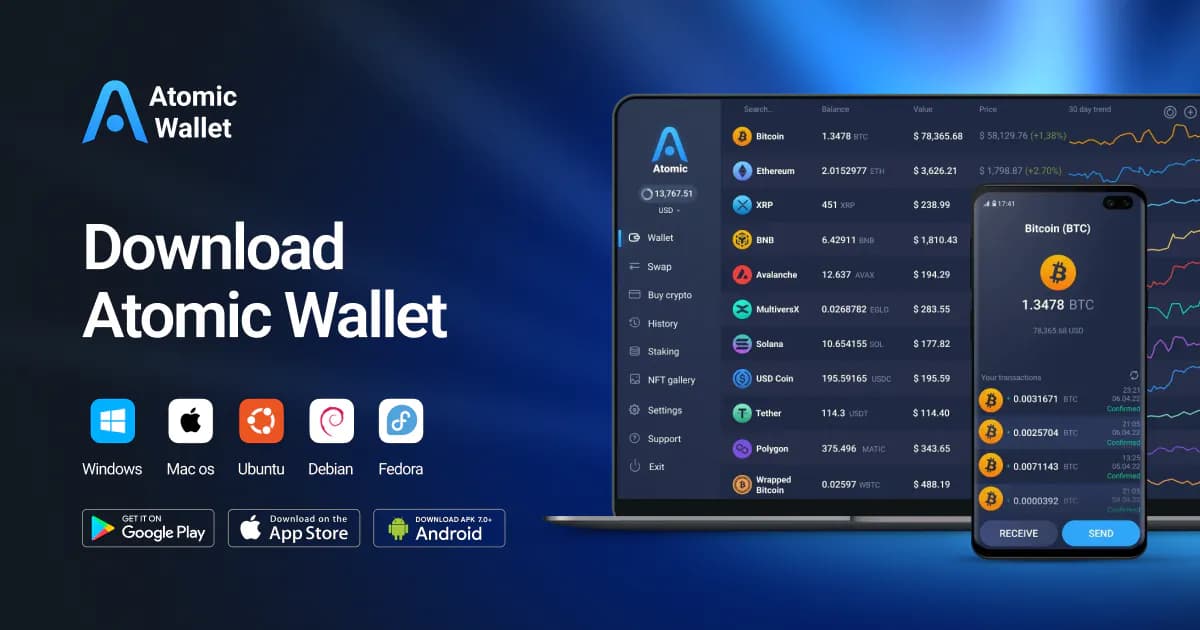
Atomic Wallet Desktop
desktop multi-asset users who can independently protect a 12-word backupAtomic offers broad desktop multi-asset coverage and explicit self-custody language, but current platform/incident uncertainty and third-party service dependence warrant a higher-risk editorial posture pending deeper review.
Custody: Self Custody
Platforms: Windows, Macos, Linux
Role: Consumer Wallet
Free
BitBoxApp
BitBox02 owners needing the official companion interfaceBitBoxApp is a hardware companion whose custody and recovery depend on a paired BitBox02 device and its backup.
Custody: Self Custody
Platforms: Windows, Macos, Linux, Android, iOS
Role: Hardware Companion
Free
Bitcoin Core Wallet
advanced Bitcoin users who want independent validationBitcoin Core offers the strongest independence from hosted wallet infrastructure in this batch, but its full-node and descriptor-wallet operating model makes backup, storage, sync, and maintenance the user’s responsibility.
Custody: Self Custody
Platforms: Windows, Macos, Linux
Role: Full Node Wallet
Free
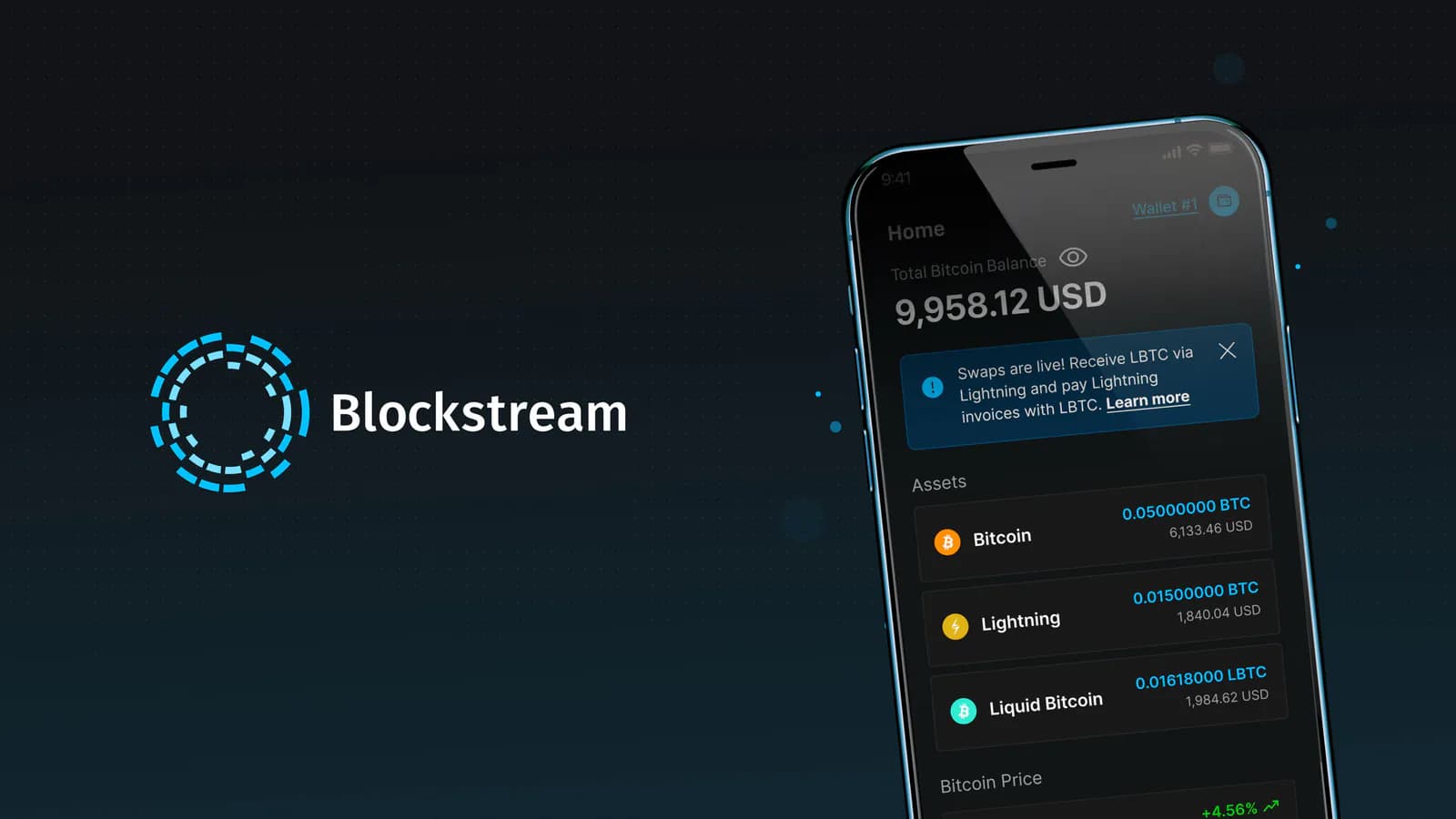
Blockstream App / Green
Bitcoin users who want open-source multisig, Liquid, and Lightning optionsBlockstream App offers unusually broad Bitcoin-stack coverage and open source, but its account variants, federation/provider relationships, and beta Lightning surface require architecture-aware evaluation.
Custody: Self Custody
Platforms: iOS, Android, Windows, Macos, Linux, F Droid
Role: Consumer Wallet
Free

Cake Wallet
privacy-conscious users who need Monero plus other major assetsCake combines unusually broad open-source asset support with strong Monero-specific controls, but every added asset and provider introduces its own recovery and privacy assumptions.
Custody: Self Custody
Platforms: iOS, Android, Macos, Linux, F Droid
Role: Consumer Wallet
Free

Coinomi Wallet
users who need broad multi-asset coverage across mobile and desktopCoinomi offers broad coverage and documented local key protection, but the closed-source product and volatile asset/provider matrix warrant a cautious P2 classification.
Custody: Self Custody
Platforms: iOS, Android, Windows, Macos, Linux
Role: Consumer Wallet
Free
Electrum
Bitcoin users who value open source, signed releases, and advanced wallet controlElectrum is transparent and technically capable, but its Bitcoin-only scope, server model, native seed format, and Lightning recovery nuances require a more technical operating model.
Custody: Self Custody
Platforms: Windows, Macos, Linux, Android, Tails
Role: Consumer Wallet
Free
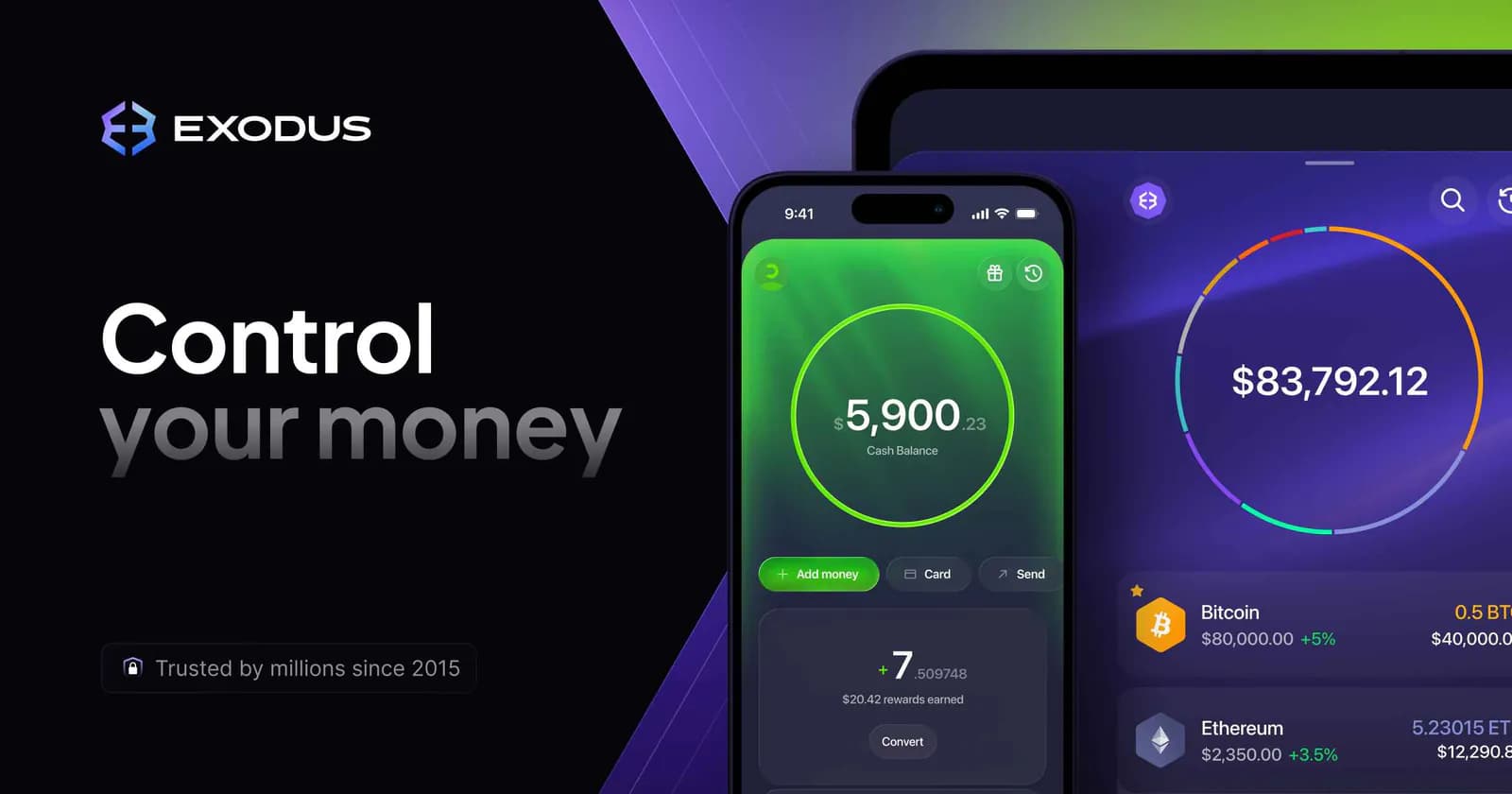
Exodus Wallet
users wanting a polished multi-platform, multi-chain self-custody walletExodus offers broad consumer reach and clearly documented self-custody, but its closed/partially open product surface, provider integrations, and platform variance warrant careful comparison.
Custody: Self Custody
Platforms: iOS, Android, Windows, Macos, Linux, Browser Extension
Role: Consumer Wallet
Free
Feather Wallet
privacy-focused Monero users comfortable with node and seed-restore operationsFeather provides a transparent and privacy-oriented Monero desktop workflow, but its older latest listed release and specialist recovery/node model justify a cautious P2 classification.
Custody: Self Custody
Platforms: Windows, Macos, Linux, Tails
Role: Consumer Wallet
Free
Guarda Wallet
multi-chain users who value broad platform coverage and local backup controlGuarda offers unusually broad platform and asset coverage with clear self-custody backup guidance, but provider and chain-specific complexity makes the headline asset count a weak proxy for user fit.
Custody: Self Custody
Platforms: iOS, Android, Windows, Macos, Linux, Web, Browser Extension
Role: Consumer Wallet
Free
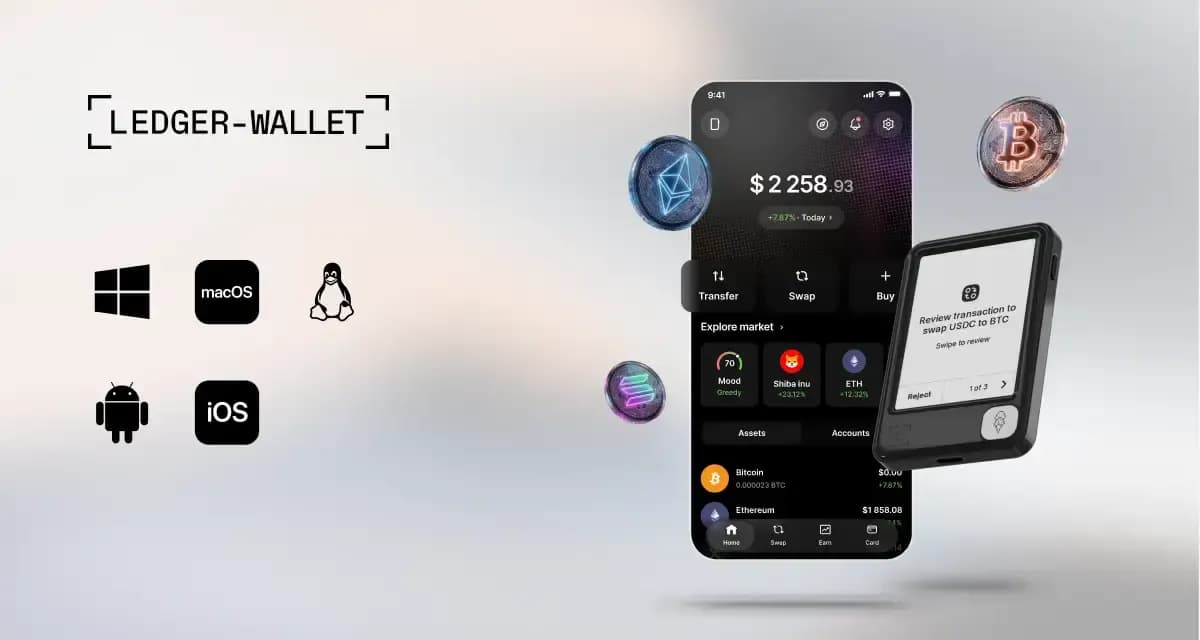
Ledger Wallet / Ledger Live
Ledger device owners needing the official management interfaceLedger Live is a hardware companion: its security and recovery meaning depend on a paired Ledger device and its backup, so it belongs in a companion-only bucket.
Custody: Self Custody
Platforms: Windows, Macos, Linux, iOS, Android
Role: Hardware Companion
Free
Liana Wallet
advanced Bitcoin users needing timelocked recovery or inheritance-like policiesLiana offers unusually explicit recovery and timelock policy controls, but descriptor/key separation and on-chain delay semantics make it a specialist self-custody product.
Custody: Self Custody
Platforms: Windows, Macos, Linux
Role: Consumer Wallet
Free

Monero GUI Wallet
Monero users who want the reference open-source desktop walletMonero GUI combines the reference implementation, private-by-default protocol, and local/remote node choice, but its seed, node, and privacy model differs enough from Bitcoin/EVM wallets to require specialist handling.
Custody: Self Custody
Platforms: Windows, Macos, Linux
Role: Consumer Wallet
Free
Nunchuk Wallet
Bitcoin holders who want configurable multisig and inheritance planningNunchuk makes multisig and inheritance more approachable while retaining self-sovereign options, but its strongest features also create policy, backup, and optional platform-key complexity.
Custody: Self Custody
Platforms: iOS, Android, Windows, Macos, Linux
Role: Multisig Wallet
Free
OneKey App Software Wallet
multi-chain users who want a standalone app plus optional OneKey hardware pathOneKey App gives users a genuine standalone software-wallet path while retaining a strong hardware-companion identity; separate recovery and signer modes must be explained clearly.
Custody: Self Custody
Platforms: Windows, Macos, Linux, iOS, Android, Browser Extension, Web
Role: Consumer Wallet
Free

Rabby Wallet
EVM users who value transaction and approval warningsRabby’s EVM/DeFi orientation and security engine are useful differentiators, but recovery, provider, and dapp-exposure details remain surface-specific.
Custody: Self Custody
Platforms: Browser Extension, iOS, Android, Windows, Macos
Role: Consumer Wallet
Free
Sparrow Wallet
advanced Bitcoin users needing PSBT, multisig, coin control, or node choiceSparrow exposes Bitcoin transaction and UTXO details and supports multiple key modes, but the flexibility and server choices require user competence; it is correctly classified as a coordinator rather than a simple hot-wallet app.
Custody: Self Custody
Platforms: Windows, Macos, Linux
Role: Coordinator
Free

Specter Desktop
Bitcoin users coordinating multisig and external signers with their own nodeSpecter is best understood as a Bitcoin self-custody coordinator with an experimental hot-wallet path, so it belongs in a separate coordinator bucket rather than a general consumer-wallet ranking.
Custody: Self Custody
Platforms: Windows, Macos, Linux
Role: Coordinator
Free
Trezor Suite
Trezor device owners needing the official management interfaceTrezor Suite is a hardware companion whose custody and recovery depend on a paired Trezor device and wallet backup.
Custody: Self Custody
Platforms: Windows, Macos, Linux, Web, iOS, Android
Role: Hardware Companion
Free
Wasabi Wallet
Bitcoin users prioritizing coin control and privacy educationWasabi has a strong privacy-specific architecture and explicit backup model, but its desktop-only, hot-wallet, coordinator-dependent workflow requires careful operational discipline and does not make privacy automatic.
Custody: Self Custody
Platforms: Windows, Macos, Linux
Role: Consumer Wallet
Free