Edge Wallet
Mobile multi-asset self-custody wallet
We reviewed Edge Wallet using 4 official and public sources. The notes below focus on custody, recovery, and security trade-offs.
Edge’s encrypted account model may reduce manual backup friction while remaining self-custodial, but its recovery semantics and provider architecture need more scrutiny than a conventional seed wallet.

- mobile users who prioritize encrypted account usability and broad asset coverage
- users willing to understand account-recovery credentials and provider dependencies
Key specifications
- Brand
- Edge
- Role
- Consumer Wallet
- Custody
- Self Custody
- Platforms
- iOSAndroid
- Networks
- multi-chain
- Pricing
- Free
Free to download and use
The current marketing language emphasizes no manual seed backup, while older technical material describes encrypted recovery architecture; a current asset-by-asset recovery audit is required.
- Key setup
- Seed Based HdGenerated KeysImported Keys
- Backup options
- encrypted account backupusername/password and optional 2FA recovery modelasset-specific key backup where available
Mobile multi-asset self-custody with encrypted account synchronization; credential loss, local endpoint compromise, provider dependency, and broad asset/plugin surface are material risks.
- Encrypts keys locally
- Yes
- Privacy note
- Marketing and older technical sources make strong privacy claims; store them as claims and corroborate with current policy and app disclosures.
Third-party providers can affect uptime, privacy, and recovery. They are documented here for context, not as ranking points.
- Edge account synchronization infrastructure (Other; KYC: Not Required)
- Third-party buy, sell, and swap providers (Other; KYC: Provider Dependent)
- Affiliate
- No affiliate relationship recorded
Sources we checked
4 sources reviewed, with 4 documented claims tied to specific fields.
- Edge wallet home
Edge describes itself as self-custody, says users have full control of funds, and says Edge never sees private keys.
- How lost password recovery works in Edge
Edge documents username, password, and 2FA inputs used to encrypt account and wallet information, including private keys, while stating Edge cannot see or reset credentials.
- Edge Bitcoin wallet
Edge claims client-side encryption, zero access to user funds or transaction data, decentralized server architecture, and operation when Edge servers are down; these claims require policy corroboration.
- Edge TON integration
The official Edge announcement documents a current self-custody asset integration and buy/sell/swap flow.
More in this category
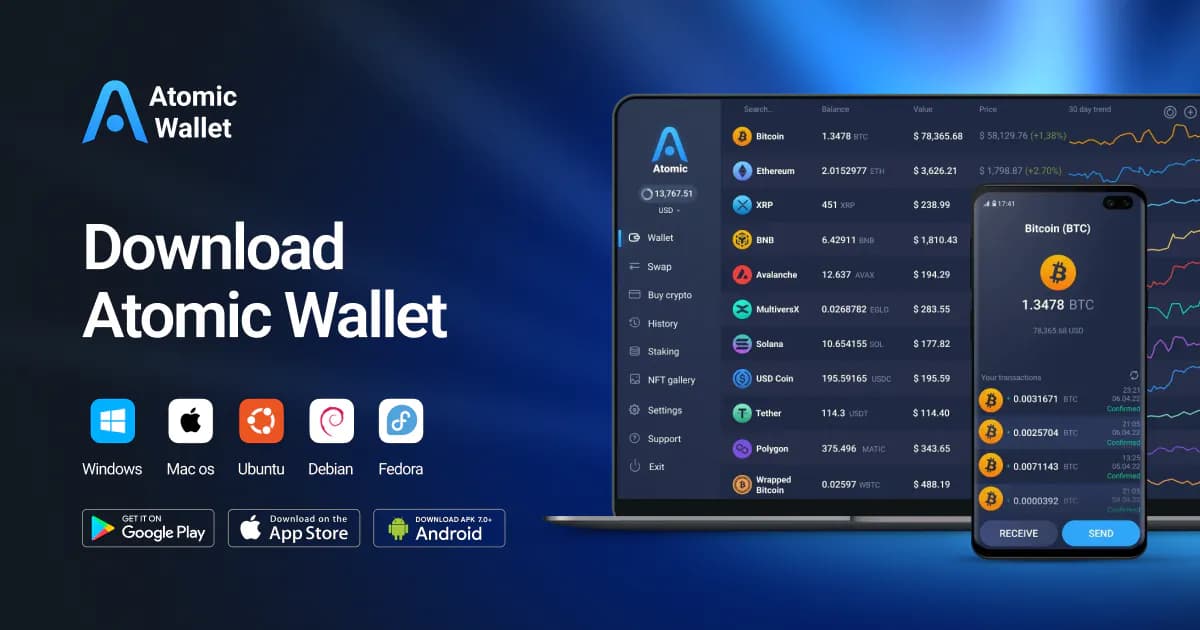
Atomic Wallet Desktop
desktop multi-asset users who can independently protect a 12-word backupAtomic offers broad desktop multi-asset coverage and explicit self-custody language, but current platform/incident uncertainty and third-party service dependence warrant a higher-risk editorial posture pending deeper review.
Custody: Self Custody
Platforms: Windows, Macos, Linux
Role: Consumer Wallet
Free
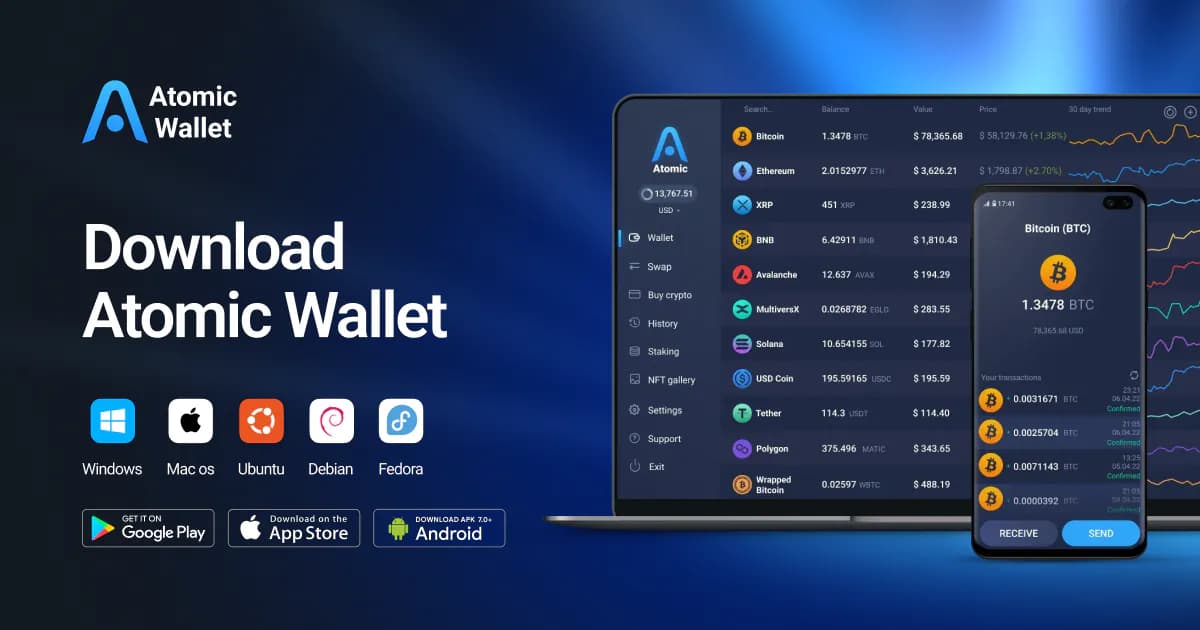
Atomic Wallet Mobile
Android multi-asset users who can independently protect a 12-word backupThe mobile product has the same basic self-custody phrase model as Atomic Desktop but a materially different availability profile, so it remains a limited, higher-risk surface pending further research.
Custody: Self Custody
Platforms: Android, iOS
Role: Consumer Wallet
Free
Backpack Wallet
users seeking a Solana/Ethereum wallet with mobile and browser surfacesBackpack’s official distribution and product terms support a separate wallet record, but the reviewed sources leave key-management, recovery, provider, and source-availability claims unresolved.
Custody: Self Custody
Platforms: iOS, Android, Browser Extension
Role: Consumer Wallet
Free