Phoenix Wallet
Self-custodial Lightning mobile wallet
We reviewed Phoenix Wallet using 5 official and public sources. The notes below focus on custody, recovery, and security trade-offs.
Phoenix combines ordinary Bitcoin recovery-phrase custody with an abstracted Lightning node/payment experience; convenience depends on understanding liquidity, channel, fee, and infrastructure tradeoffs.
- users wanting a simple self-custodial Lightning experience
- users who can safely back up a recovery phrase and understand Lightning liquidity
Key specifications
- Brand
- ACINQ
- Role
- Payments Wallet
- Custody
- Self Custody
- Platforms
- iOSAndroid
- Networks
- bitcoinlightning
- Pricing
- Free
Free to download and use
Phoenix abstracts Lightning operations for users; channel opening, liquidity, splice, fee, and backup details remain important research fields.
- Key setup
- Seed Based HdGenerated KeysImported Keys
- Backup options
- offline recovery-phrase backup
Self-custody mobile Lightning wallet: recovery-phrase loss, mobile compromise, Lightning routing/liquidity/channel state, service dependency, and on-chain fee exposure are distinct risks.
- Encrypts keys locally
- Unknown
- Privacy note
- Lightning routing and service interaction may expose operational metadata; no privacy conclusion is made from the repository alone.
Third-party providers can affect uptime, privacy, and recovery. They are documented here for context, not as ranking points.
- ACINQ (Node; KYC: Not Required)
- Lightning Network (Relay; KYC: Not Required)
- Bitcoin network (Node; KYC: Not Required)
- Affiliate
- No affiliate relationship recorded
Sources we checked
5 sources reviewed, with 8 documented claims tied to specific fields.
- ACINQ Phoenix repository
The official repository describes Phoenix as a self-custodial Bitcoin wallet using Lightning and says users hold the keys.
- ACINQ Phoenix repository
The repository warns that a new wallet generates a 12-word recovery phrase and that losing it loses access to funds.
- ACINQ Phoenix repository
The repository lists iOS requiring 15+ and Android requiring 8+, with an Android APK release path.
- Phoenix Wallet
The official product page describes native Lightning support, Bitcoin payments, and non-custodial control.
- ACINQ Phoenix repository
The repository is public and identifies Phoenix as Apache-2.0 licensed, with shared Kotlin Lightning/Bitcoin logic and native platform UIs.
Related comparisons
More in this category
AQUA Wallet
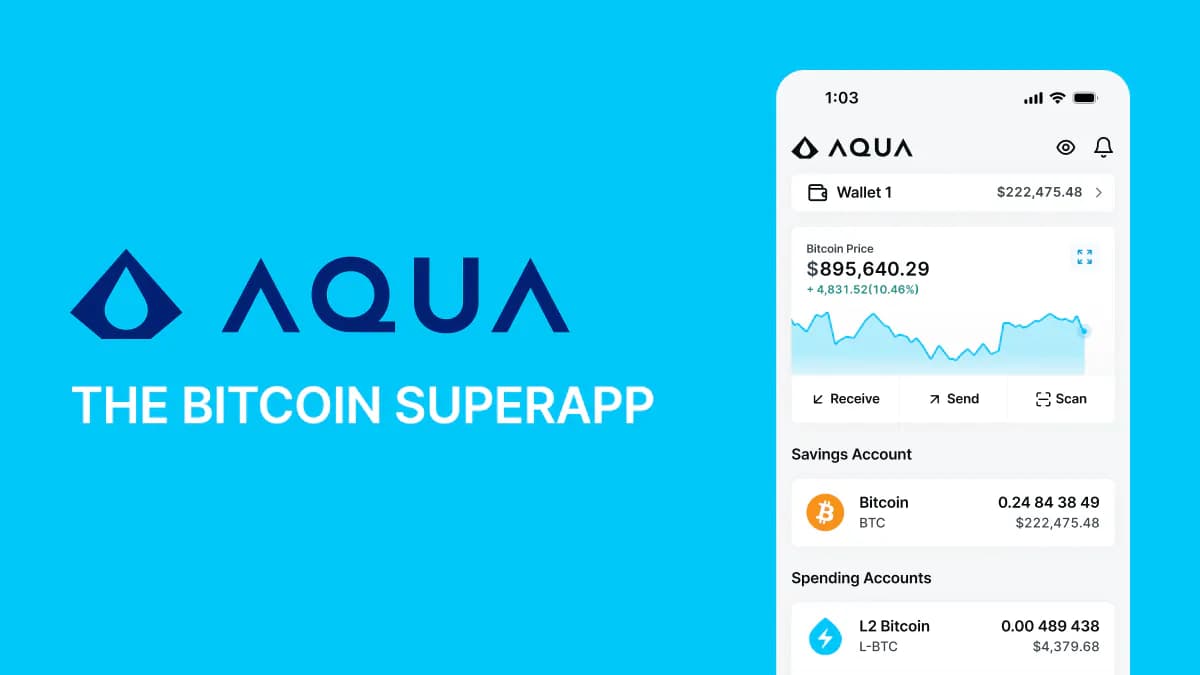
mobile Bitcoin users who need Liquid USDt and Lightning in one appAQUA targets practical Bitcoin/Liquid payments and self-custody, but its network-specific recovery and service dependencies need more evidence than the high-level product page provides.
Custody: Self Custody
Platforms: iOS, Android
Role: Payments Wallet
Free
Bitcoin Core Wallet
advanced Bitcoin users who want independent validationBitcoin Core offers the strongest independence from hosted wallet infrastructure in this batch, but its full-node and descriptor-wallet operating model makes backup, storage, sync, and maintenance the user’s responsibility.
Custody: Self Custody
Platforms: Windows, Macos, Linux
Role: Full Node Wallet
Free
Blockstream App / Green
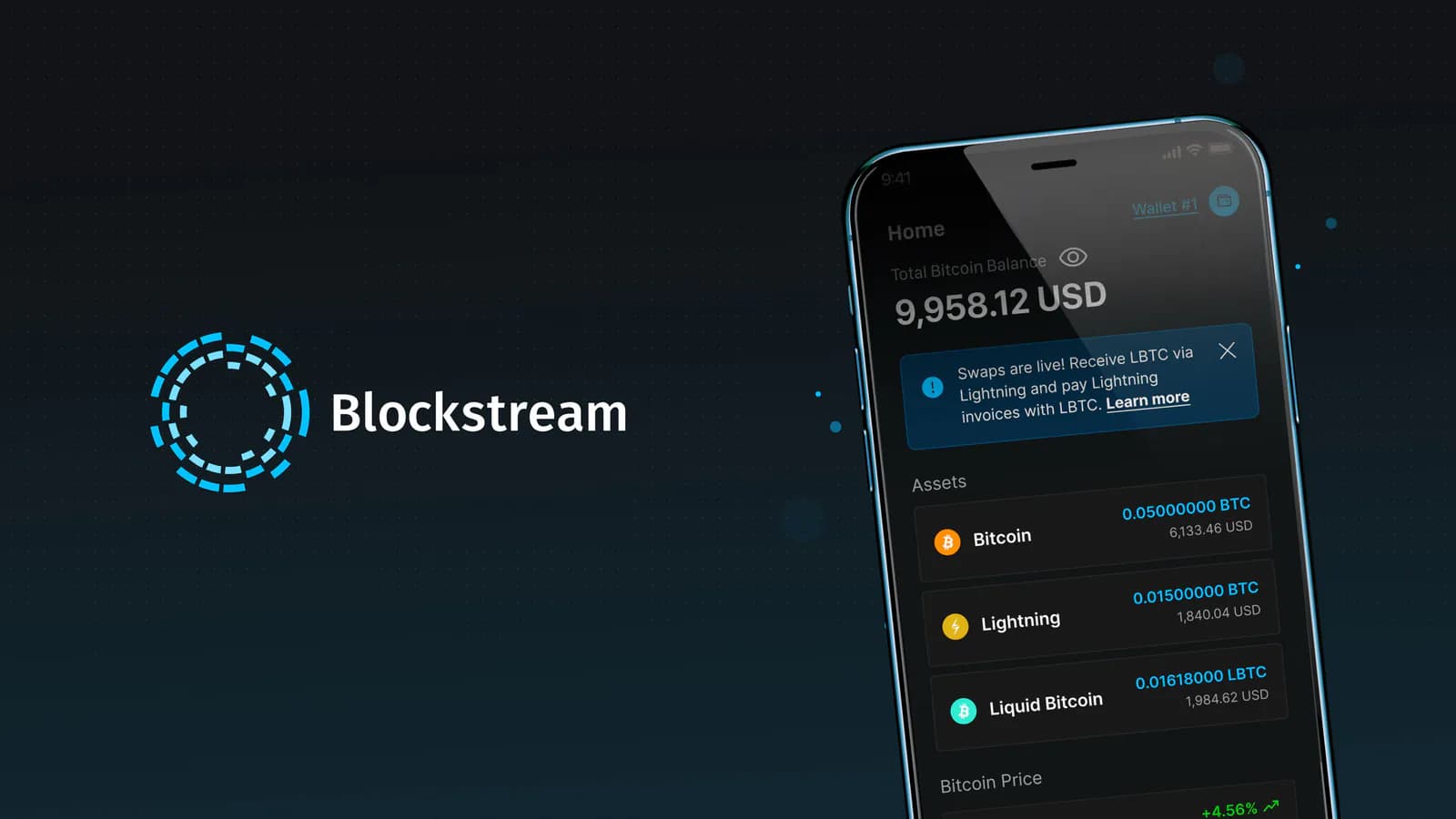
Bitcoin users who want open-source multisig, Liquid, and Lightning optionsBlockstream App offers unusually broad Bitcoin-stack coverage and open source, but its account variants, federation/provider relationships, and beta Lightning surface require architecture-aware evaluation.
Custody: Self Custody
Platforms: iOS, Android, Windows, Macos, Linux, F Droid
Role: Consumer Wallet
Free