Safe{Wallet}
User-facing multisig smart wallet
We reviewed Safe{Wallet} using 5 official and public sources. The notes below focus on custody, recovery, and security trade-offs.
Safe{Wallet} is a smart-contract multisig interface rather than a conventional hot wallet; its resilience and usability depend on the configured owner policy and surrounding infrastructure.
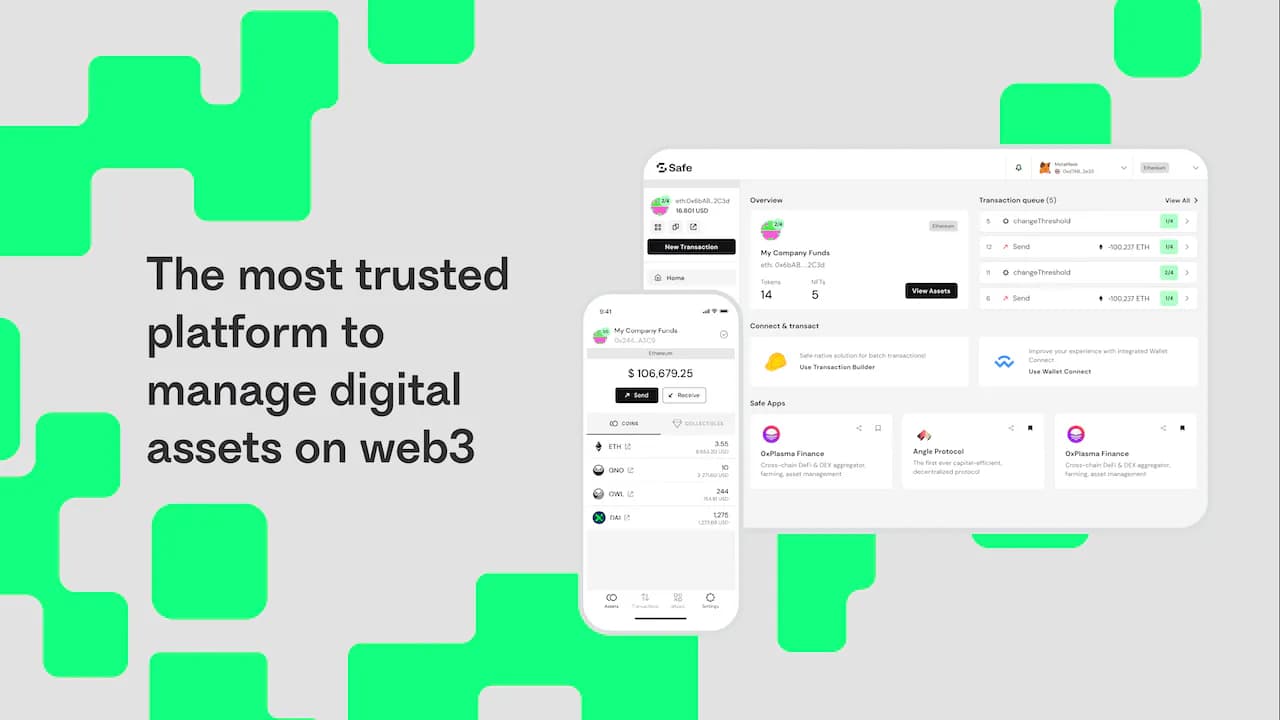
- teams and advanced users needing threshold smart-account control
- users able to manage multiple owner accounts and policy backups
Key specifications
- Brand
- Safe
- Role
- Multisig Wallet
- Custody
- Self Custody
- Platforms
- WebiOSAndroid
- Networks
- evm-compatible
- Pricing
- Free
Free to download and use
Recovery is a policy/configuration question for the Safe account, not a single product-wide mnemonic workflow.
- Key setup
- Smart ContractMultisigSocial RecoveryPasskeyImported KeysHardware Backed
- Backup options
- maintain independent backups and access for each owner accountdocument Safe address, owners, and threshold
On-chain threshold control and programmable modules reduce single-key dependence but introduce contract, owner-management, module/guard, interface, indexing, and relay risks.
- Encrypts keys locally
- Unknown
- Privacy note
- Safe Transaction Service, Client Gateway, RPC, and other providers can affect metadata exposure; this pilot does not infer their combined privacy posture.
Third-party providers can affect uptime, privacy, and recovery. They are documented here for context, not as ranking points.
- Safe Transaction Service (Indexer; KYC: Not Required)
- Safe Client Gateway (Other; KYC: Not Required)
- RPC provider (Rpc; KYC: Not Required)
- Relay service (Relay; KYC: Provider Dependent)
- Affiliate
- No affiliate relationship recorded
Sources we checked
5 sources reviewed, with 8 documented claims tied to specific fields.
- Safe glossary
Safe{Wallet} is the official user interface for managing Safe accounts, while a smart account uses programmable smart-contract logic.
- How do Safe Smart Accounts work?
Safe uses a list of owners and a threshold number of owner accounts that must confirm before execution.
- How do Safe Smart Accounts work?
Safe documentation says owners can be EOAs, other smart-contract accounts, or passkeys, and modules can add alternative access patterns.
- Install Safe on your chain
Safe describes deployment on EVM-compatible networks and says it is not currently extending beyond EVM.
- How do Safe Smart Accounts work?
Safe supports modules, guards, allowance-style controls, batching, and sponsored transactions through relay infrastructure.
Related comparisons
More in this category

Argent Wallet
Ethereum users who want smart-account rules and social recoveryArgent’s smart-contract and guardian model offers recovery and policy controls unavailable to a standard EOA, but the account depends on contract rules, guardians, gas, and surface-specific recovery semantics.
Custody: Self Custody
Platforms: iOS, Android, Web
Role: Smart Account Wallet
Free
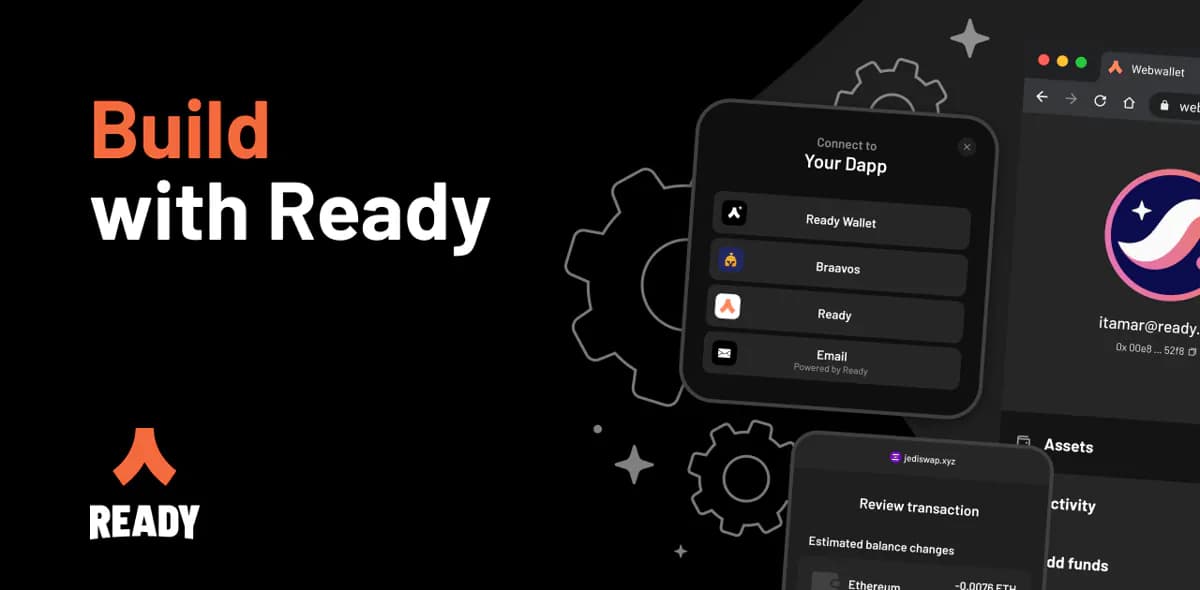
Argent X
Starknet users who want native smart accounts and DApp integrationArgent X is a separate Starknet smart-account product with a conventional seed recovery path, so it should not inherit the mobile Argent record’s seedless recovery assumptions.
Custody: Self Custody
Platforms: Browser Extension, Web
Role: Smart Account Wallet
Free
Base Smart Wallet
users wanting passkey and smart-account onboardingBase Smart Wallet materially improves onboarding and sponsored/batched transaction options, but passkey portability, on-chain signer recovery, app permissions, and chain-specific behavior must be understood.
Custody: Self Custody
Platforms: Web, iOS, Android
Role: Smart Account Wallet
Free