Best Node Connected Software Wallets
Looking for a node connected crypto wallet? We compare 10 options below on custody, recovery, and security so you can choose with clearer trade-offs.
Bitcoin Core Wallet
advanced Bitcoin users who want independent validationBitcoin Core offers the strongest independence from hosted wallet infrastructure in this batch, but its full-node and descriptor-wallet operating model makes backup, storage, sync, and maintenance the user’s responsibility.
Custody: Self Custody
Platforms: Windows, Macos, Linux
Role: Full Node Wallet
Free

BlueWallet
mobile Bitcoin users who want flexible wallet-type and own-node optionsBlueWallet is open source and flexible for Bitcoin users, but the app’s separate Bitcoin, watch-only, and Lightning wallet types make recovery and provider analysis essential.
Custody: Self Custody
Platforms: iOS, Android
Role: Payments Wallet
Free
Electrum
Bitcoin users who value open source, signed releases, and advanced wallet controlElectrum is transparent and technically capable, but its Bitcoin-only scope, server model, native seed format, and Lightning recovery nuances require a more technical operating model.
Custody: Self Custody
Platforms: Windows, Macos, Linux, Android, Tails
Role: Consumer Wallet
Free
Feather Wallet
privacy-focused Monero users comfortable with node and seed-restore operationsFeather provides a transparent and privacy-oriented Monero desktop workflow, but its older latest listed release and specialist recovery/node model justify a cautious P2 classification.
Custody: Self Custody
Platforms: Windows, Macos, Linux, Tails
Role: Consumer Wallet
Free
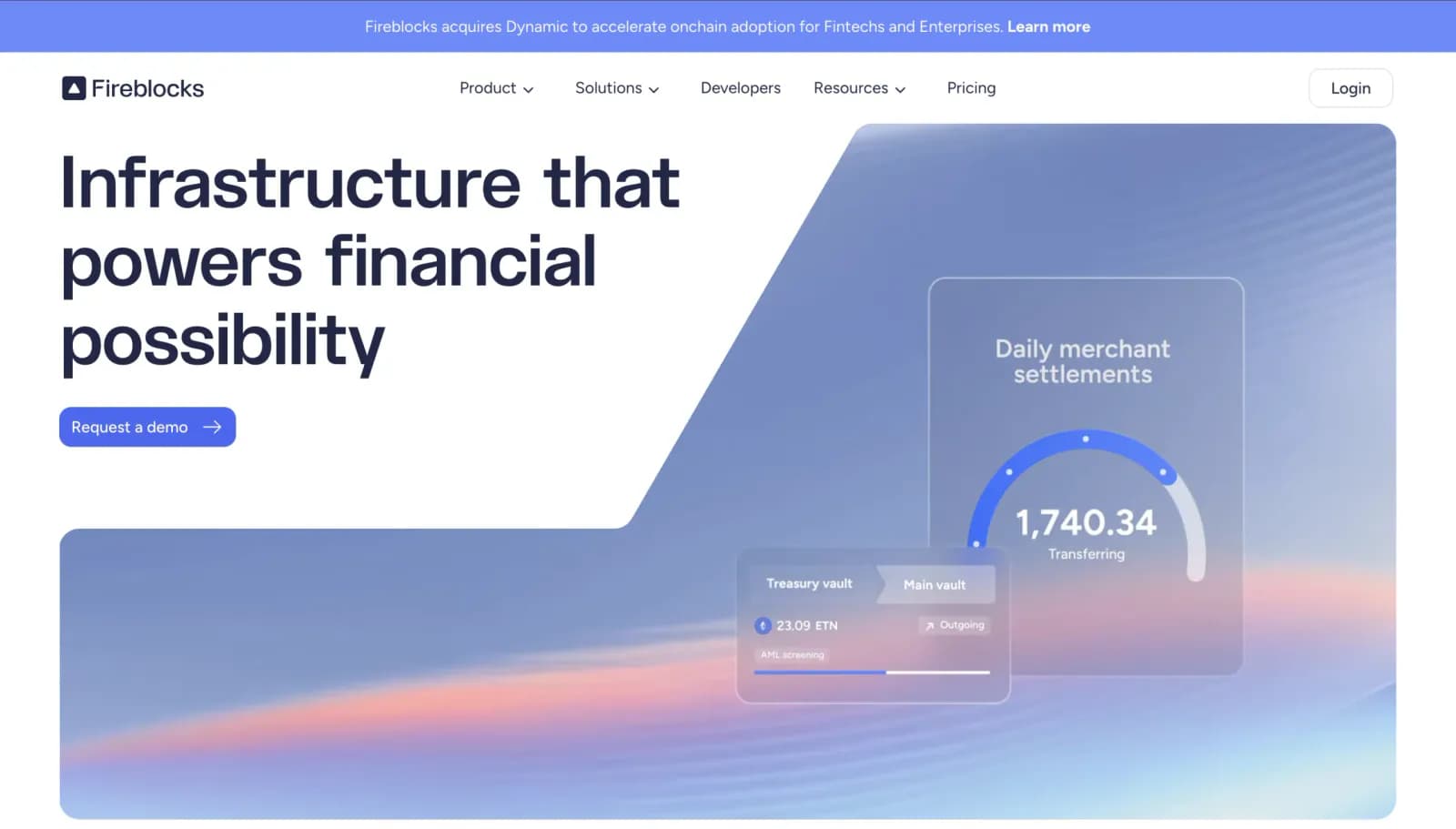
Fireblocks Platform
institutional teams evaluating MPC wallet and digital-asset operations infrastructureFireblocks supplies institutional wallet and custody infrastructure with deployment-dependent direct-custody, custodial, and embedded modes; it is not a consumer wallet and must remain infrastructure-only.
Custody: Hybrid
Platforms: Web, Sdk
Role: Institutional Infrastructure
Free
Liana Wallet
advanced Bitcoin users needing timelocked recovery or inheritance-like policiesLiana offers unusually explicit recovery and timelock policy controls, but descriptor/key separation and on-chain delay semantics make it a specialist self-custody product.
Custody: Self Custody
Platforms: Windows, Macos, Linux
Role: Consumer Wallet
Free

Monero GUI Wallet
Monero users who want the reference open-source desktop walletMonero GUI combines the reference implementation, private-by-default protocol, and local/remote node choice, but its seed, node, and privacy model differs enough from Bitcoin/EVM wallets to require specialist handling.
Custody: Self Custody
Platforms: Windows, Macos, Linux
Role: Consumer Wallet
Free
Phoenix Wallet
users wanting a simple self-custodial Lightning experiencePhoenix combines ordinary Bitcoin recovery-phrase custody with an abstracted Lightning node/payment experience; convenience depends on understanding liquidity, channel, fee, and infrastructure tradeoffs.
Custody: Self Custody
Platforms: iOS, Android
Role: Payments Wallet
Free

Specter Desktop
Bitcoin users coordinating multisig and external signers with their own nodeSpecter is best understood as a Bitcoin self-custody coordinator with an experimental hot-wallet path, so it belongs in a separate coordinator bucket rather than a general consumer-wallet ranking.
Custody: Self Custody
Platforms: Windows, Macos, Linux
Role: Coordinator
Free

ZEUS Wallet
Bitcoin and Lightning users who want embedded or self-operated node controlZEUS is unusually explicit about self-custody and backend choice, but that flexibility means recovery, liquidity, and operational behavior cannot be reduced to one consumer-wallet flow.
Custody: Self Custody
Platforms: iOS, Android, F Droid
Role: Node Manager
Free